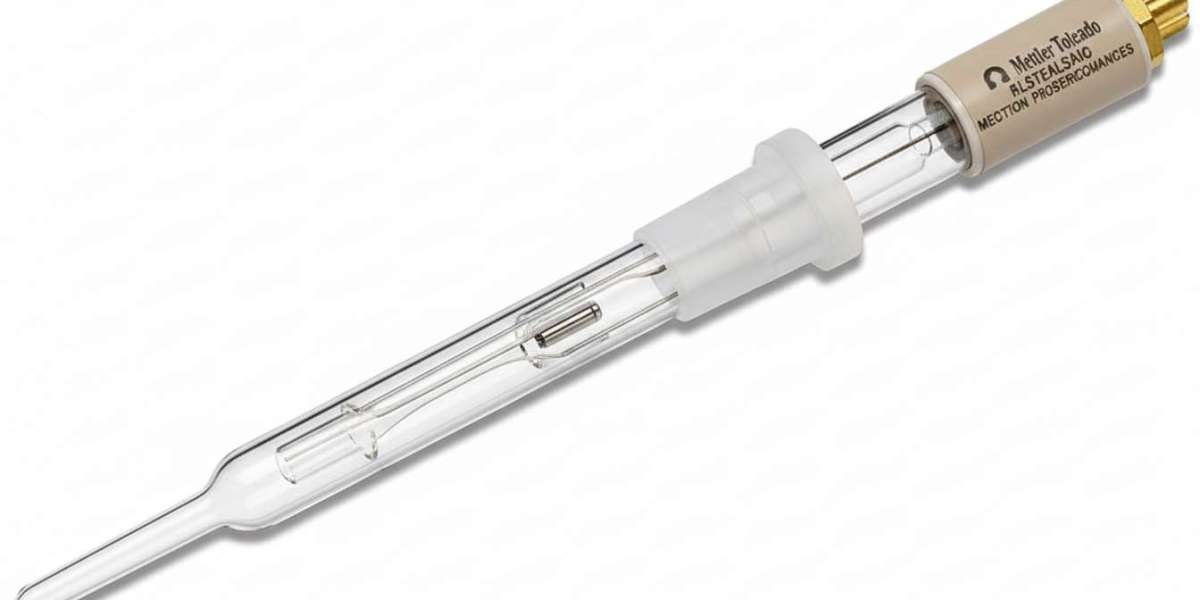

The R501 reference electrode is an essential component in electrochemical measurements and analytical chemistry. It plays a critical role in providing a stable and known reference potential against which other electrode potentials can be measured. This stability is crucial for obtaining accurate and reproducible results in various scientific and industrial applications. The R501 model is widely used due to its reliability, precision, and durability in laboratory and field environments.
What is an R501 Reference Electrode
An R501 reference electrode is a type of electrochemical electrode designed to maintain a constant potential regardless of the composition of the test solution. It serves as a comparison point in electrochemical cells. Unlike working electrodes, which respond to the analyte, the reference electrode remains stable, ensuring that measurements are not affected by fluctuations in the system. The R501 is specifically engineered to offer high accuracy and minimal drift over time.
Working Principle
The working principle of the R501 reference electrode is based on a stable electrochemical reaction that occurs within the electrode. It typically contains an internal electrolyte solution and a reference element that maintains a constant potential. This potential does not change significantly even when external conditions vary. When paired with a working electrode, the difference in potential between the two is measured, allowing scientists to analyze chemical properties such as concentration, pH, or ion activity.
Construction and Design
The R501 reference electrode is carefully constructed to ensure stability and durability. It usually consists of a glass or plastic body, an internal electrolyte solution, and a porous junction that allows ionic contact with the test solution. The internal reference system is sealed to prevent contamination and evaporation. High-quality materials are used to ensure long-term performance and resistance to chemical damage.
Key Features
The R501 reference electrode is known for several important features that make it highly effective. It provides a stable and reproducible potential, ensuring consistent results. It has a long operational life due to its robust design. The electrode is easy to maintain and compatible with a wide range of electrochemical systems. Additionally, it offers fast response time and minimal maintenance requirements, making it suitable for both laboratory and industrial use.
Applications
The R501 reference electrode is used in a wide range of applications. In laboratories, it is commonly used for pH measurement, potentiometric titrations, and electrochemical analysis. In industrial settings, it is used for process control, water quality monitoring, and corrosion studies. Environmental scientists use it for testing soil and water samples. It is also used in research and development for studying chemical reactions and developing new materials.
Importance in Electrochemical Measurements
The importance of the R501 reference electrode cannot be overstated. Accurate electrochemical measurements depend on a stable reference point. Without a reliable reference electrode, results can become inconsistent and unreliable. The R501 ensures that measurements are precise and reproducible, which is essential for scientific research, quality control, and industrial processes.
Advantages
The R501 reference electrode offers several advantages. It provides excellent stability and accuracy. It is durable and can withstand harsh chemical environments. It requires minimal maintenance compared to other types of electrodes. The electrode is versatile and can be used in various applications. Its long lifespan makes it cost-effective for long-term use.
Maintenance and Care
Proper maintenance of the R501 reference electrode is important to ensure optimal performance. The electrode should be stored in an appropriate storage solution to prevent drying out. Regular cleaning is necessary to remove any buildup or contamination. The electrolyte level should be checked periodically and refilled if necessary. Proper handling and storage can significantly extend the life of the electrode.
Common Issues and Solutions
Like any , the R501 reference electrode may encounter some issues. One common problem is drift in potential, which can occur due to contamination or aging. This can be resolved by cleaning or replacing the electrode. Another issue is clogging of the junction, which can be fixed by proper cleaning. Regular maintenance helps prevent most of these problems and ensures consistent performance.
Selection Criteria
When selecting an R501 reference electrode, several factors should be considered. These include compatibility with the application, chemical resistance, temperature range, and required accuracy. It is important to choose an electrode that meets the specific needs of the experiment or process. Proper selection ensures reliable and accurate results.
Future Developments
Advancements in technology are leading to improved reference electrodes with better stability, longer lifespan, and enhanced performance. The R501 reference electrode continues to evolve with innovations in materials and design. Future developments may include smart electrodes with digital integration and improved resistance to contamination.
Conclusion
The R501 reference electrode is a vital tool in electrochemical analysis. Its ability to provide a stable reference potential makes it indispensable in laboratories and industrial applications. With proper maintenance and careful selection, it offers reliable performance and long-term value. Understanding its working principle, features, and applications helps users achieve accurate and consistent results in their work.