
How do we empower the Disaster Management Crew?
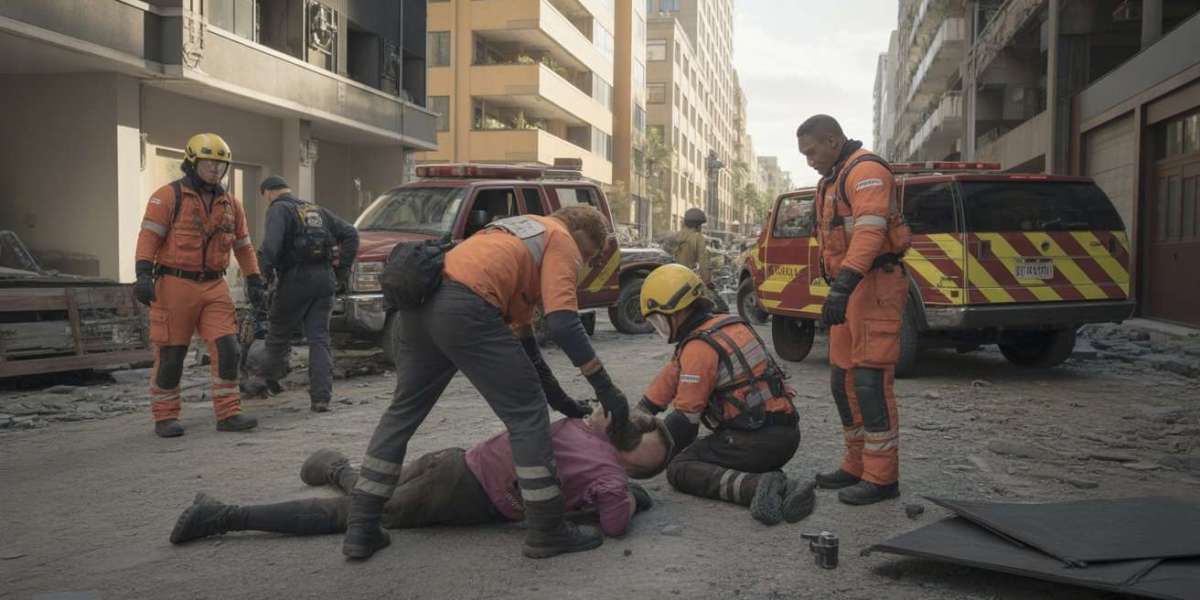
Disaster management crew is always the first line of defense whenever calamities hit, be it an earthquake, flood, wild fire or cyclones. These volunteers and professionals put their lives at risk to ensure that communities are safe, order restored and as many lives as possible saved. But the rising rate of occurrence of disasters globally and their escalated severity have complicated their work more than ever before.
But, what can we do to empower the disaster management crew in a meaningful, sustainable way? The solution is in improved training, high technology, effective leadership and support of the community. We will discuss this a little.
The importance of Disaster Management Crews
The disaster management teams are in charge of preparedness, response, recovery, and mitigation. Companies such as the National Disaster Response Force and international organizations such as the United Nations Office of Disaster Risk Reduction are in the process of minimizing risks and enhancing the response infrastructures.
These crews are involved in evacuation planning and rescue missions as well as medical assistance and community rebuilding. Empowerment is not just resource-based- it is empowering the ability to counterattack effectively when pressure is put on them.
1. High-level Training and Development of Skills
Continuous training is one of the best methods of empowering the team involved in disaster management. Disaster scenarios are not predictable and therefore, teams must be ready to handle a vast variety of scenarios.
The training programs must consist of:
- Search and rescue techniques.
- First aid and emergency care.
- Crisis communication skills
- Psychological resilience training
Frequent mock drills and simulations keep the teams ready and enhance coordination in case of an actual emergency.
2. Using Technology to respond more rapidly
Technology is very instrumental in the contemporary management of disasters. The efficiency of crews could be greatly improved by giving them the right tools.
Among some of these important technologies are:
- Aerial surveillance drones and drones to find people.
- Disaster prediction systems using AI to predict them in advance.
- Mapping and GPS to improve navigation and planning.
- Even in the event of network breakdowns, communications systems are effective.
Combining these technologies, the disaster management crews will be able to respond more quickly and make more informed decisions.
3. Effective Leadership and Organization.
Disaster response is usually a collaboration among various agencies. The lack of coordination may result in chaotic efforts, which are less effective.
To empower the disaster management crew, it is necessary:
- Clear command structures
- Real-time information sharing
- Cooperation among local, national and international agencies.
Good leadership is a way of making sure each team member knows what to do and can make a fast decision in a problem situation.
4. Emotional Support and Mental Health
Traumatic situations are always experienced by disaster management crews. This may cause stress, burnout, and emotional exhaustion in the long-term.
Providing mental health support is essential. This includes:
- Counseling services
- Stress management programs
- Adequate rest between operations.
The responders are able to carry out their responsibilities in a better and more sustainable manner when they are mentally strong.
5. Community Involvement and Awareness
Governments are not the only ones that can empower disaster management crews, but communities as well. Well-educated and trained individuals are able to ease the pressure on response teams.
The communities can contribute by:
- Emergency response and basic first aid.
- Following evacuation protocols
- The engagement in disaster preparedness activities.
Having aware, cooperative people will enable disaster crews to concentrate on vital rescue efforts rather than dealing with panic.
6. Adequate Funding and Resources
No matter how skilled a team is, lack of resources can limit their effectiveness. The governments and organizations should make sure that disaster management crews are equipped with:
- Modern equipment
- Protective gear
- Emergency vehicles
- Medical supplies
Adequate funding means preparedness and better response time to emergencies.
7. Policy Support and Continuous Improvement
Disaster management policies are important in enhancing disaster management systems. Governments ought to frequently revise disaster response plans in accordance with past experiences and new risks.
Partnership with such organizations as the International Federation of Red Cross and Red Crescent Societies may contribute to the implementation of the best practices worldwide and enhance domestic systems.
Final Thoughts
The process of empowering the disaster management crew is not a one-time process but a continuous process that must be committed by governments, organizations and communities. We can create resilient and more efficient disaster response mechanisms by investing in training, adopting technology, promoting mental health, and encouraging citizens to be more active.
During increasingly challenging circumstances in the world, a properly-equipped and empowered disaster management crew can be the difference between insanity and sanity, devastation and survival.