
Introduction
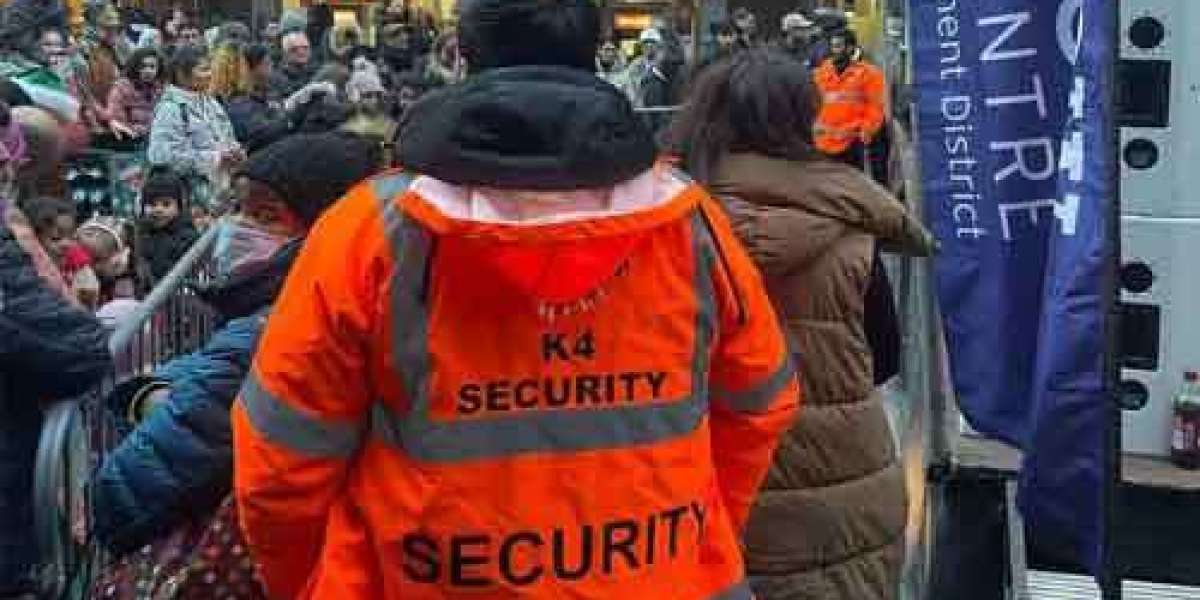
Door supervisors play a critical role in maintaining safety, order, and professionalism in nightlife venues, events, and public spaces. Often misunderstood as simply “bouncers,” their responsibilities extend far beyond controlling entry. They are trained professionals who balance security, customer service, and conflict management in high-pressure environments. This article explores the world of door supervisors, their duties, required skills, training, and the growing importance of their role in modern society.
What Are Door Supervisors?
Door supervisors are licensed security professionals responsible for overseeing entry and exit points at venues such as clubs, bars, concerts, and private events. Their role involves ensuring that only authorized individuals gain access while maintaining a safe and welcoming environment. Unlike traditional security guards, they are often the first point of contact for customers, which makes their demeanor and communication skills extremely important.
The Core Responsibilities of Door Supervisors
The responsibilities of door supervisors are diverse and require a combination of physical presence and interpersonal skills. They check identification to verify age and authenticity, manage queues efficiently, and enforce venue policies. In addition, they monitor crowd behavior to prevent incidents before they escalate. When conflicts arise, they are trained to de-escalate situations calmly and professionally.
Another essential responsibility is ensuring compliance with local laws and licensing regulations. This includes preventing overcrowding, managing intoxicated individuals, and cooperating with law enforcement when necessary. Their vigilance can significantly reduce risks such as violence, theft, or disorderly conduct.
Essential Skills Every Door Supervisor Needs
To succeed in this role, door supervisors must possess a unique set of skills. Communication is at the heart of their job, as they interact with a wide range of people daily. Clear and respectful communication helps in resolving issues quickly and maintaining a positive atmosphere.
Conflict management is another crucial skill. Door supervisors are trained to identify early signs of aggression and use de-escalation techniques to avoid physical confrontations. Physical fitness also plays a role, as they may need to intervene in challenging situations. However, the emphasis is always on using minimum force and prioritizing safety.
Attention to detail is equally important. Spotting fake IDs, recognizing suspicious behavior, and monitoring crowd dynamics require constant awareness. Emotional intelligence helps them handle sensitive situations with empathy and professionalism.
Training and Licensing Requirements
Becoming a door supervisor requires proper training and licensing, which varies depending on the country. In the UK, for example, individuals must obtain a license from the Security Industry Authority (SIA). Training programs typically cover conflict management, physical intervention, first aid, and legal responsibilities.
These courses are designed to prepare individuals for real-world scenarios. They emphasize not only physical techniques but also communication and ethical behavior. Continuous professional development is encouraged to keep up with evolving security challenges.
A Typical Work Environment
Door supervisors often work in dynamic and fast-paced environments. Nightclubs and bars are among the most common workplaces, but they are also present at concerts, festivals, corporate events, and even retail establishments.
Their working hours are usually late evenings and weekends, which can be demanding. Despite this, many find the role rewarding due to the variety of experiences and interactions it offers. Each shift presents new challenges, making the job far from monotonous.
The Importance of Customer Service
One of the most overlooked aspects of being a door supervisor is customer service. While their primary role is security, they also represent the venue’s image. A friendly and professional attitude can enhance the overall customer experience.
Greeting guests warmly, providing directions, and handling complaints politely contribute to a positive environment. This balance between authority and approachability is what sets skilled door supervisors apart from the rest.
Challenges Faced by Door Supervisors
The role comes with its share of challenges. Dealing with intoxicated or aggressive individuals can be stressful and sometimes dangerous. Door supervisors must remain calm under pressure and make quick decisions to ensure safety.
Another challenge is maintaining fairness and consistency. They must enforce rules without discrimination, which requires strong ethical standards. Additionally, long working hours and physically demanding conditions can take a toll over time.
The Evolution of the Role
The role of door supervisors has evolved significantly over the years. In the past, the focus was primarily on physical security. Today, there is a greater emphasis on communication, conflict resolution, and customer service.
Technological advancements have also influenced the profession. Surveillance systems, digital ID scanners, and communication devices have enhanced their ability to monitor and respond to situations effectively. This evolution reflects the growing complexity of modern security needs.
Career Opportunities and Growth
A career as a door supervisor can open doors to various opportunities in the security industry. With experience and additional training, individuals can progress to roles such as security manager, event security coordinator, or close protection officer.
The demand for skilled security professionals continues to grow, driven by increasing awareness of safety and risk management. This makes it a viable and potentially rewarding career path for those interested in security and public interaction.
Why Door Supervisors Matter More Than Ever
In today’s world, safety and security are top priorities for businesses and event organizers. Door supervisors act as a visible deterrent to potential troublemakers while providing reassurance to customers. Their presence can significantly reduce incidents and create a safer environment for الجميع.
Moreover, they contribute to the overall success of a venue by ensuring smooth operations and maintaining a welcoming atmosphere. Their role is not just about preventing problems but also about enhancing the customer experience.
Conclusion
Door supervisors are much more than gatekeepers; they are skilled professionals who play a vital role in maintaining safety, order, and customer satisfaction. Their ability to balance authority with approachability makes them indispensable in various settings. As the demand for security continues to grow, the importance of well-trained door supervisors will only increase.
FAQs
What does a door supervisor do?
A door supervisor manages entry, ensures safety, checks identification, and handles conflicts at venues and events.
Do you need a license to become a door supervisor?
Yes, in many countries like the UK, a valid security license is required to work legally in this role.
Is being a door supervisor dangerous?
It can involve challenging situations, but proper training helps manage risks effectively and safely.
What skills are most important for door supervisors?
Communication, conflict resolution, attention to detail, and professionalism are key skills.
Can door supervisors advance their careers?
Yes, they can move into higher security roles such as supervisors, managers, or specialized protection services.