
For many couples, deciding to seek help can feel like a major emotional step. It often happens after repeated misunderstandings, growing emotional distance, or the realization that conversations no longer lead to real understanding. Even couples who deeply care for each other may hesitate because they are unsure what therapy will actually feel like. If you have been thinking about taking that first step, choosing to book couples therapy session or talk to relationship expert now is often less about admitting failure and more about choosing to understand your relationship with greater honesty and clarity.
The first thing many people want to know is simple: What actually happens in the first session?
A common fear is that therapy will immediately feel intense, uncomfortable, or emotionally overwhelming. In reality, the first session is usually much more grounded than people expect. It is often about understanding the relationship, not rushing to solve everything in one meeting.
A therapist usually begins by learning about the relationship itself.
How long have you been together?
What feels difficult right now?
What patterns keep repeating?
What made you decide to seek support at this point?
These questions are not designed to judge either person. They help create context. Every relationship carries its own emotional history, communication habits, strengths, and vulnerabilities. The first session is often about making those patterns more visible.
Many couples enter therapy worried that one person will be blamed.
That fear is understandable, especially if recent conversations have felt defensive or emotionally tense.
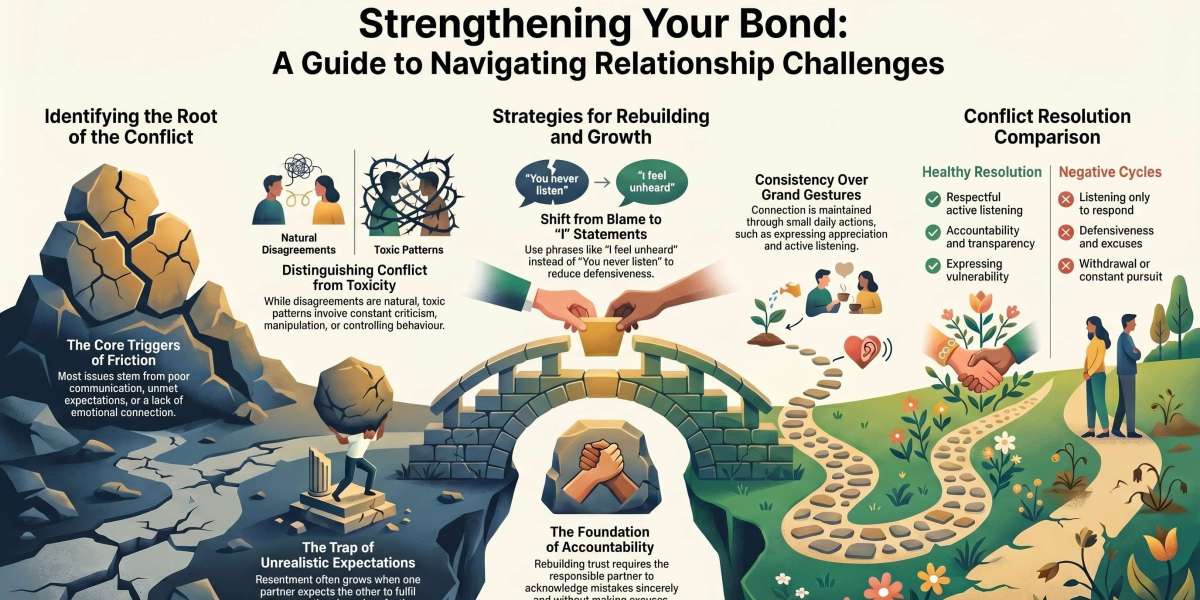
But healthy couples counselling is not about deciding who is right and who is wrong.
It is about understanding how both partners are contributing to the emotional cycle.
For example, one person may push for conversation because they fear emotional distance.
The other may pull away because they feel overwhelmed.
Both people may feel hurt.
Both may also be protecting themselves.
A therapist helps identify these patterns in a way that often feels more balanced and less emotionally charged than trying to figure it out alone.
This alone can be surprisingly relieving.
Many couples discover that what felt like “our endless argument” is actually a repeated emotional pattern that neither person fully understood.
That recognition often creates the first sense of hope.
The First Session Is Often More About Listening Than Solving
A lot of people expect therapy to immediately provide solutions.
But the first session usually focuses more on listening, clarifying, and understanding than on fixing everything at once.
That is important because relationship difficulties often look simple on the surface but carry deeper emotional meaning underneath.
A conflict about time together may actually be about reassurance.
A disagreement about practical responsibilities may reflect feeling unsupported.
A defensive tone may be connected to fear of criticism.
A withdrawn response may come from emotional overload.
Without understanding those deeper layers, advice often stays too superficial.
The first session creates a clearer picture of what is really happening underneath the conflict.
That clarity matters more than quick answers.
You Do Not Need to Prepare the “Perfect Explanation”
Many couples feel nervous before the first session because they worry they will not know how to explain the problem properly.
That is very common.
The truth is, you do not need perfect language.
You do not need to summarize the relationship flawlessly.
You do not need to know exactly what is wrong.
Even saying something as simple as “We care about each other, but we keep getting stuck” is enough to begin.
A therapist helps organize emotional confusion into something more understandable.
That is part of the process.
Expect Some Emotional Discomfort—But Not Necessarily in the Way You Fear
Talking honestly about relationship pain can feel vulnerable.
You may hear something your partner has been holding in quietly.
You may recognize your own emotional habits more clearly than before.
That can feel uncomfortable.
But it is usually a productive discomfort—not the kind that pushes couples apart, but the kind that begins making hidden emotional patterns visible.
Many couples leave their first session not because every issue is solved, but because things feel clearer.
And clarity often feels like relief.
Your Therapist Is Also Paying Attention to Communication Patterns
It is not only about what you say.
It is also about how you interact while saying it.
Does one person interrupt quickly?
Does one person become silent?
Does defensiveness appear fast?
Does one partner struggle to express vulnerable feelings directly?
These interaction patterns often reveal as much as the actual topic of disagreement.
A therapist notices these moments because they often reflect the emotional cycle that keeps creating pain outside the session too.
That awareness becomes very useful later.
Because once a couple can recognize the pattern, they have a much better chance of changing it.
Therapy Is Not About Erasing Conflict
Many people quietly hope therapy will make arguments disappear.
That is not really the goal.
Every close relationship includes disagreement.
The goal is not to eliminate conflict.
The goal is to make conflict less damaging.
Therapy helps couples learn how to disagree without emotional injury.
How to stay present without escalating.
How to listen without immediately defending.
How to express hurt without blaming.
These are learned relationship skills.
And the first session often begins building awareness around which of those skills need strengthening.
You May Notice Immediate Emotional Relief
Even after only one session, some couples feel lighter.
Not because the relationship is suddenly fixed.
But because something important has happened:
The emotional pressure has been named.
Instead of silently carrying confusion, frustration, or resentment, both people begin putting language to what has been difficult.
That process can feel surprisingly calming.
Emotional chaos often feels heavier when it stays unspoken.
Why the First Step Often Feels Harder Than the Session Itself
For many couples, the hardest part is not therapy itself.
It is deciding to begin.
There can be fear:
“What if this means our relationship is worse than we thought?”
“What if my partner says something painful?”
“What if nothing changes?”
These fears are natural.
But many couples later realize the first appointment felt less frightening than the emotional uncertainty they had been carrying alone.
Taking the first step often replaces guessing with understanding.
That matters.
Because relationships often feel more painful when confusion is constant.
What You Learn in the First Session Often Extends Beyond the Session
Sometimes the most valuable part of the first session is not only what happens there, but what happens afterward.
Couples often leave thinking differently.
They begin noticing patterns in everyday conversations.
They catch emotional reactions earlier.
They hear each other with slightly more awareness.
Even small shifts like these can change the emotional tone of the relationship.
That is because understanding creates space.
And space reduces automatic reaction.
In the middle of emotional stress, that can make a big difference.
Online Therapy Has Made That First Step Easier
One reason more couples are reaching out earlier is accessibility. Today, many people choose online counselling booking because it removes practical barriers that once made starting therapy feel harder. The option to consult therapist online means couples can begin from the comfort of home, without long travel, scheduling strain, or the pressure of waiting until things become emotionally overwhelming.
This convenience matters more than it may seem.
When support feels easier to access, couples are less likely to wait until frustration becomes resentment.
That timing can make a real difference.
You Might Discover the Problem Is Not What You Thought
Many couples enter therapy believing they know exactly what the problem is.
“We fight too much.”
“We never communicate well.”
“We feel distant.”
Those descriptions may be true—but often they are not the deepest truth.
Sometimes “fighting too much” is really fear of emotional disconnection.
Sometimes “bad communication” is actually fear of being misunderstood.
Sometimes “distance” is not lack of love but accumulated hurt that was never fully repaired.
The first session often begins revealing these deeper layers.
And when those layers become visible, blame often begins to soften.
That softening can be powerful.
It Is Normal If One Partner Feels More Ready Than the Other
Sometimes one partner initiates therapy.
The other agrees but feels uncertain.
That is very common.
Readiness is not always perfectly equal.
One person may feel eager.
The other may feel cautious, skeptical, or emotionally guarded.
That does not automatically mean therapy will not help.
Often, willingness matters more than enthusiasm.
Even cautious participation can create useful insight.
The Goal Is Not to Perform Well
People sometimes enter therapy trying to sound reasonable, calm, or emotionally “correct.”
But therapy works best when honesty matters more than performance.
It is okay if feelings come out imperfectly.
It is okay if confusion is still present.
It is okay if both people are still figuring out what they feel.
The goal is not to impress the therapist.
The goal is to understand the relationship more clearly.
Your First Session Is the Beginning of Awareness, Not the End of the Process
One session can create insight.
It can create relief.
It can create hope.
But deeper change usually takes time.
Patterns that have developed over months or years often need repeated awareness and practice to shift.
That does not make the first session less valuable.
It makes it foundational.
The first session often gives couples something they may not have had for a while:
A clearer emotional map.
And when people understand the map better, they usually move with more care.
Why Early Therapy Often Helps More Than Crisis Therapy
When couples seek help early, there is often more emotional openness.
Less accumulated resentment.
More willingness to listen.
More hope.
That matters because repeated pain can make emotional repair harder.
The earlier patterns become visible, the easier it usually is to respond differently.
That is why therapy is not only for relationships in crisis.
It can also be a way of protecting a relationship before deeper damage happens.
The First Session Often Answers an Important Question
Many couples quietly wonder before starting:
“Are we really okay?”
The first session may not answer everything.
But it often answers something equally important:
“Can we understand what is happening more clearly than we have been?”
Very often, the answer is yes.
And that clarity can change the emotional direction of a relationship.
If you have been wondering what the first counselling session will feel like, the truth is that it often feels more human, more practical, and more clarifying than people expect. Reaching out for instant relationship counselling can turn emotional confusion into something more understandable, and choosing to book marriage counsellor support can help both partners begin a more honest, calmer, and more connected way of moving forward together.