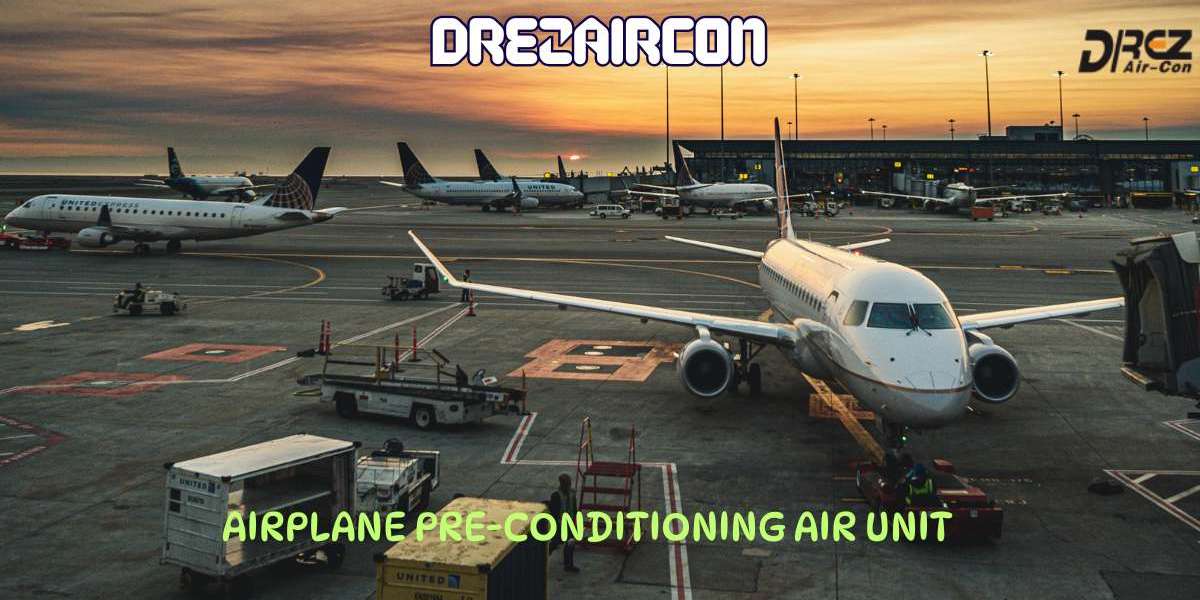

In modern aviation operations, maintaining a stable and comfortable cabin environment while an aircraft is parked on the ground is not just a matter of passenger comfort it is a technical requirement that directly impacts operational efficiency, fuel consumption, and equipment lifespan. This is where the Airplane Pre-Conditioning Air Unit (PCA Unit) plays a critical role.
For airports, ground handling companies, and aviation service providers, investing in reliable pre-conditioned air systems has become essential to reduce Auxiliary Power Unit (APU) usage, lower emissions, and improve turnaround efficiency. DREZ Aircon, a trusted manufacturer of industrial and portable HVAC solutions, provides advanced cooling systems designed to support demanding environments such as aviation ground operations, temporary facilities, and large-scale industrial cooling needs.
What is an Airplane Pre-Conditioning Air Unit?
An airplane pre-conditioning air unit is a ground-based HVAC system designed to supply cooled or heated air directly into an aircraft cabin while it is parked at the gate or on the tarmac.
Instead of relying on the aircraft’s onboard APU which consumes fuel and generates noise and emissions the PCA unit delivers conditioned air from an external source. This ensures:
- Stable cabin temperature before boarding
- Reduced fuel consumption
- Lower environmental impact
- Improved passenger comfort during boarding and deboarding
These systems are commonly used in commercial airports, military airbases, and private aviation terminals.
Why Airports and Ground Operators Need PCA Units
1. High Fuel Costs from APU Usage
Aircraft auxiliary power units burn significant amounts of jet fuel just to maintain cabin airflow and temperature while parked. Over time, this becomes a major operational cost for airlines.
A pre-conditioning air unit eliminates or reduces the need for APU operation, leading to substantial fuel savings.
2. Environmental Compliance Pressure
Modern airports are under strict regulations to reduce carbon emissions and noise pollution. PCA units help meet sustainability targets by:
- Reducing CO₂ emissions
- Minimizing noise on the tarmac
- Supporting green airport initiatives
3. Passenger Comfort Expectations
Passengers today expect a comfortable cabin experience from the moment they board. Extreme heat or cold inside an aircraft during boarding negatively impacts customer satisfaction.
PCA systems ensure the cabin is already cooled or heated before passengers enter.
4. Equipment Protection and Operational Efficiency
Consistent ground cooling reduces thermal stress on aircraft systems and improves overall turnaround time, making operations smoother and more predictable.
How Airplane Pre-Conditioning Air Units Work
A PCA unit operates by drawing ambient air, conditioning it through a refrigeration or heating system, and then delivering it into the aircraft cabin via an insulated duct connected to the aircraft’s air intake port.
Key Components Include:
- High-capacity compressor system
- Cooling/heating coil system
- Powerful centrifugal or axial fan
- Flexible air delivery duct
- Control panel for temperature regulation
The unit can be powered electrically or through hybrid energy systems depending on airport infrastructure.
Key Features of Modern PCA Systems
Modern pre-conditioning air units are designed for efficiency, durability, and flexibility. Advanced systems like those developed by DREZ Aircon focus on high-performance cooling in demanding environments.
1. High Cooling Capacity
PCA units are designed to handle large aircraft cabins with rapid temperature adjustment capabilities, ensuring fast cooling even in extreme outdoor heat conditions.
2. Mobility and Portability
Many units are mounted on trailers or wheels, allowing easy movement across airport aprons and remote aircraft stands.
3. Energy Efficiency
Advanced compressor and airflow systems reduce electricity consumption while maintaining optimal output.
4. Durable Industrial Design
Built for outdoor operation, these systems are resistant to dust, heat, and continuous usage ideal for airport environments.
5. Smart Control Systems
Digital temperature controls and automated airflow adjustments allow operators to maintain precise cabin conditions with minimal manual intervention.
Pain Points in Aviation Ground Cooling Operations
Despite advancements in aviation infrastructure, many operators still face challenges such as:
High Operational Costs
Running aircraft APUs for extended ground time significantly increases fuel expenses.
Lack of Flexible Cooling Infrastructure
Some airports, especially regional or temporary terminals, lack fixed HVAC infrastructure for aircraft support.
Extreme Weather Conditions
Hot climates make aircraft cabins unbearable during boarding without proper cooling support.
Equipment Downtime and Maintenance Issues
Outdated cooling systems often lead to inefficiencies and frequent maintenance requirements.
DREZ Aircon Solution: Reliable Ground Cooling for Aviation and Industrial Use
DREZ Aircon specializes in high-performance portable and industrial air conditioning systems designed for challenging environments where traditional HVAC systems are not practical.
For aviation ground support applications, DREZ Aircon offers:
- Portable high-capacity cooling units
- Trailer-mounted industrial AC systems
- Temporary HVAC solutions for outdoor operations
- Custom-designed cooling systems for large-scale applications
These solutions are engineered to support environments similar to PCA requirements, making them suitable for airports, hangars, maintenance areas, and temporary aviation setups.
Why DREZ Aircon Stands Out
- Strong focus on industrial-grade durability
- Designed for continuous operation in extreme climates
- Flexible deployment for temporary or permanent setups
- Engineering support for customized cooling requirements
For aviation-related cooling needs where fixed PCA infrastructure is unavailable, DREZ Aircon systems can serve as a practical and cost-effective alternative.
Applications Beyond Aviation
While airplane pre-conditioning air units are designed for aircraft, similar technology and cooling systems are widely used in:
- Aircraft maintenance hangars
- Temporary airport terminals
- Military field operations
- Large-scale outdoor events
- Industrial warehouses and factories
DREZ Aircon systems are particularly effective in these environments due to their portability and high cooling output.
Future of Aircraft Ground Cooling Systems
The aviation industry is moving toward greener, more energy-efficient ground support systems. PCA units are expected to evolve with:
- Fully electric operation
- AI-based temperature control
- Integration with airport energy management systems
- Lower noise and higher efficiency designs
As airports expand and sustainability becomes a priority, demand for advanced pre-conditioned air systems will continue to grow.
FAQs: Airplane Pre-Conditioning Air Unit
1. What is the main purpose of a PCA unit?
A PCA unit provides cooled or heated air to an aircraft cabin while it is parked on the ground, reducing the need for onboard auxiliary power systems.
2. How does it help reduce airport operational costs?
By eliminating or reducing APU usage, PCA units significantly lower fuel consumption and maintenance costs for airlines.
3. Can PCA systems work in extreme weather conditions?
Yes, modern systems are designed to operate efficiently in both high-temperature and cold environments.
4. Are portable cooling systems a replacement for PCA units?
In temporary or non-standard setups, industrial portable AC systems like those from DREZ Aircon can provide similar cooling support.
5. Where can I source industrial-grade cooling solutions?
DREZ Aircon provides portable, industrial, and custom HVAC systems suitable for aviation support, events, and industrial applications.
Conclusion
Efficient ground cooling is no longer optional in modern aviation it is a critical part of operational excellence, cost reduction, and environmental responsibility. The airplane pre-conditioning air unit plays a vital role in ensuring passenger comfort and improving airline efficiency.
For airports, ground handlers, and industrial operators seeking reliable and flexible cooling solutions, DREZ Aircon offers advanced portable and industrial HVAC systems designed to meet demanding environmental conditions.
Whether you need temporary aviation cooling support or large-scale industrial air conditioning, DREZ Aircon is ready to deliver performance-driven solutions tailored to your needs.
Contact DREZ Aircon today to request a quote and explore high-performance portable air conditioning systems for your operations.