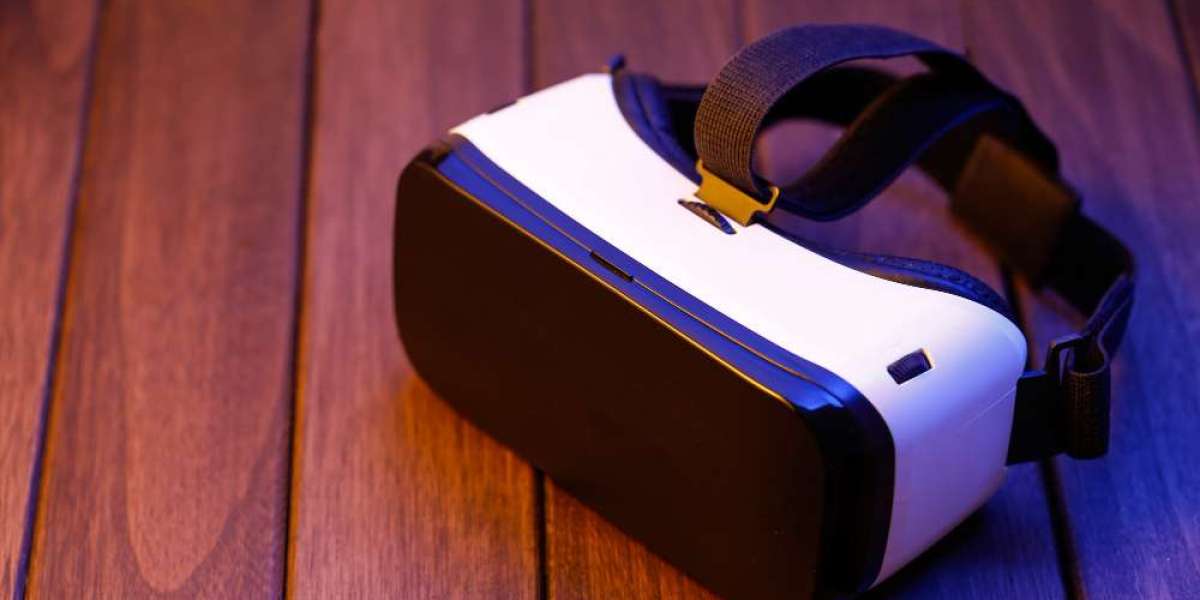

One of the biggest challenges in augmented reality (AR) headset development is reducing device size without compromising visual quality. Many AR devices still feel heavy, bulky, and uncomfortable because traditional optical systems require large space for image projection. This directly affects user comfort, product adoption, and long-term wearability.
To solve this issue, engineers are increasingly adopting the Pancake optical module design. This optical architecture uses folded light paths and polarization-based reflection systems to significantly reduce the thickness of AR displays while maintaining high image quality. It is now widely used in next-generation AR and VR headsets where compact design and high visual performance are both required.
As demand grows for lightweight wearable devices, the pancake optical module has become a key solution for balancing optical efficiency, image clarity, and ergonomic design.
Why Traditional Optical Systems Create Size Problems
Conventional AR optical systems rely on long optical paths to project images into the user’s eye. This often results in bulky headset designs that are heavy and uncomfortable for extended use.
Some common limitations include:
- Large optical depth requirements
- Heavy headset weight
- Limited design flexibility
- Reduced user comfort
- Inefficient space utilization
- Difficult thermal management
These problems make it difficult for manufacturers to create slim AR glasses that users can wear for long hours. As the market shifts toward consumer-friendly wearable devices, compact optical design has become a priority.
How Pancake Optical Module Solves These Challenges
The Pancake optical module uses a folded optical path combined with polarization-based reflection techniques. This allows light to travel multiple times within a compact space before reaching the eye.
The result is a thinner, lighter, and more efficient optical system.
Compact Optical Path Reduces Device Thickness
One of the biggest advantages of the pancake design is its ability to fold the optical path inside the lens system.
Instead of using a long straight projection path, light is reflected internally using polarization layers. This significantly reduces the depth of the optical module.
The result is a much slimmer AR headset design that improves comfort and portability.
High Image Quality with Reduced Distortion
Even though the optical path is folded, pancake systems maintain strong image clarity and sharpness.
Advanced polarization control helps reduce distortion and maintain consistent image quality across the display field.
This ensures that users experience clear visuals without edge blur or image stretching, even in compact optical designs.
Better Weight Distribution Improves Comfort
Bulky AR headsets often feel uncomfortable because of uneven weight distribution.
By reducing optical module size, the pancake optical module helps manufacturers create more balanced headset designs. This improves ergonomics and reduces strain during long-term use.
Comfort is especially important for industrial, medical, and training applications where devices are worn for extended periods.
Improved Efficiency in Space Utilization
Traditional optical systems require large internal space, which limits design flexibility for other components like batteries and processors.
The pancake optical module frees up internal space, allowing engineers to optimize overall device architecture.
This enables integration of better cooling systems, higher battery capacity, and more advanced electronics inside the same form factor.
Industries Using Pancake Optical Module Technology
The pancake optical module is widely used in advanced AR and VR systems where compact design and high performance are critical.
| Industry | Application |
|---|---|
| AR/VR | Smart glasses and headsets |
| Gaming | Immersive VR systems |
| Healthcare | Surgical visualization devices |
| Industrial | Remote assistance tools |
| Education | Simulation and training devices |
| Defense | Tactical wearable displays |
As wearable technology evolves, demand for compact optical solutions continues to increase rapidly.
Important Factors When Choosing a Pancake Optical Module
Selecting the right optical system is important for achieving both performance and user comfort.
Optical Efficiency
High efficiency ensures better brightness and reduced energy loss.
Image Resolution Support
The module must support high-resolution displays for clear visual output.
Polarization Quality
Effective polarization control improves image accuracy and reduces distortion.
Durability and Stability
Optical components must maintain performance under movement and environmental changes.
Integration Flexibility
The module should fit easily into different AR device architectures.
Why Problem-Based SEO Content Works Better in 2026
Modern search engines prioritize content that solves real user problems and demonstrates technical expertise. Generic product descriptions are no longer effective for competitive B2B keywords.
Engineers and procurement professionals search for solution-focused content before making purchasing decisions.
Effective SEO content should:
- Explain real technical challenges
- Provide practical and engineering-based solutions
- Use industry-relevant terminology
- Match user search intent naturally
- Demonstrate authority and expertise
This approach increases engagement, improves trust signals, and helps earn backlinks from AR, optics, and technology-focused publications.
Conclusion
AR and VR devices require compact, lightweight, and high-performance optical systems to deliver a seamless user experience. Traditional optical architectures often result in bulky headset designs that limit comfort and usability.
The Pancake optical module solves these challenges by folding the optical path, reducing device thickness, improving image quality, and optimizing internal space usage. As demand for advanced wearable devices continues to grow, pancake optical systems will play a crucial role in shaping the future of compact AR and VR hardware.