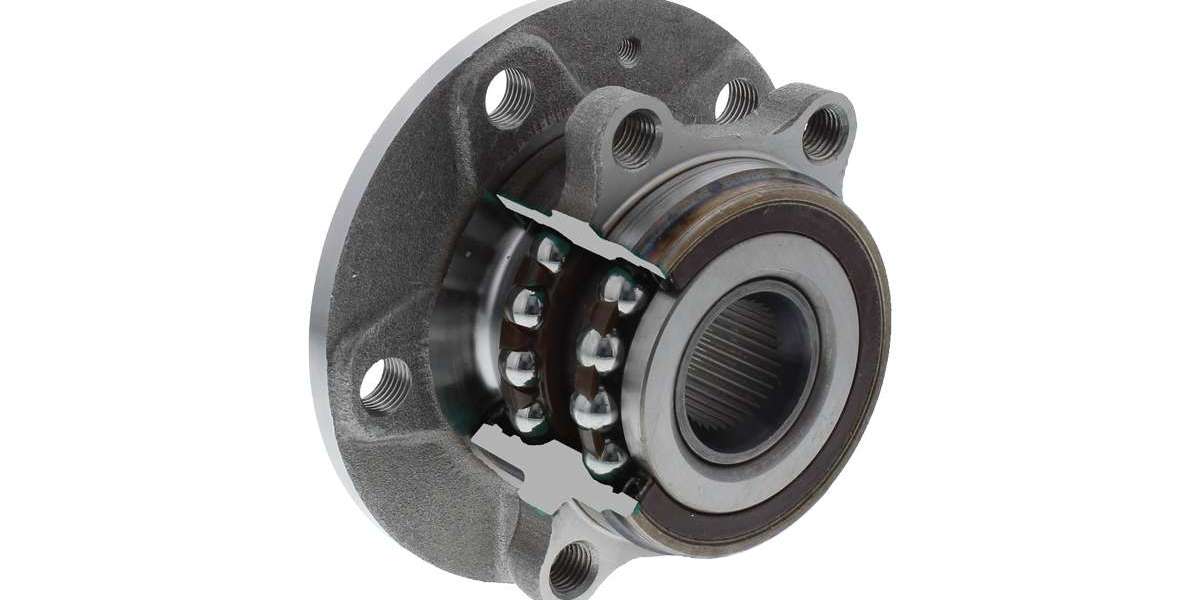

Modern vehicles depend on reliable wheel systems to maintain safety, stability, and smooth driving performance. Among the most important components in this system are wheel bearing kits. These assemblies support wheel rotation, reduce friction, and help maintain proper alignment under different driving conditions.
In recent years, automotive workshops, fleet operators, and vehicle owners have reported increasing cases of premature wheel bearing kit failure. Unusual wheel noise, steering vibration, uneven tire wear, and wheel instability are becoming more common in passenger cars, SUVs, commercial vans, and heavy-duty trucks.
When wheel bearing kits fail unexpectedly, vehicles often experience reduced driving performance and increased repair costs. Ignoring early warning signs can eventually lead to suspension damage, wheel hub failure, and serious safety risks.
Understanding why wheel bearing kits fail earlier in modern vehicles helps automotive businesses and vehicle owners apply preventive solutions that improve long-term reliability and reduce operational downtime.
Why Wheel Bearing Kits Are Important
Wheel bearing kits are designed to support wheel movement while handling both radial and axial loads during vehicle operation. These kits usually include bearings, seals, mounting hardware, and related components needed for proper wheel hub performance.
A properly functioning wheel bearing kit helps improve:
- Vehicle stability
- Steering accuracy
- Tire performance
- Wheel alignment
- Driving safety
Because wheel bearings operate continuously under load, they experience constant stress from road impact, braking force, and vehicle weight.
Commercial vehicles and fleet transportation systems face even greater pressure because they operate under heavy loads and demanding road conditions.
For B2B automotive distributors and workshops, reliable wheel bearing kits are essential for reducing warranty claims and maintaining customer satisfaction.
Common Causes of Wheel Bearing Kit Failure
Poor Road Conditions
Road conditions are one of the leading causes of premature wheel bearing damage. Potholes, rough roads, uneven surfaces, and sudden impacts place extreme pressure on wheel assemblies.
Over time, repeated road shock can cause:
- Internal bearing wear
- Surface fatigue
- Increased vibration
- Seal damage
- Premature bearing failure
Vehicles operating in urban traffic, construction environments, or poorly maintained highways often experience faster wheel bearing wear.
Low-Quality Replacement Parts
Low-grade aftermarket wheel bearing kits frequently fail under demanding operating conditions. Poor-quality steel materials, weak seals, and inaccurate manufacturing standards reduce durability and performance.
Inferior wheel bearing kits may cause:
- Excessive heat buildup
- Increased rolling resistance
- Lubrication leakage
- Bearing noise
- Shortened service life
High-quality wheel bearing kits use precision engineering, durable sealing systems, and advanced heat treatment processes to improve operational reliability.
For B2B buyers, product quality directly affects workshop reputation and long-term customer trust.
Incorrect Installation Procedures
Improper installation significantly affects wheel bearing kit lifespan. Even premium-quality components may fail early if installation procedures are ignored.
Common installation mistakes include:
- Incorrect torque settings
- Misaligned wheel hubs
- Reusing damaged hardware
- Hammer installation methods
- Improper lubrication practices
These errors create uneven load distribution that increases stress on the bearing assembly.
Professional automotive technicians follow manufacturer installation guidelines and use precision tools to ensure proper fitment and alignment.
Water and Dirt Contamination
Wheel bearings operate in environments exposed to dust, mud, water, and road debris. Damaged seals allow contaminants to enter the bearing assembly and affect internal rolling components.
Contamination often leads to:
- Corrosion
- Increased friction
- Heat generation
- Lubrication breakdown
- Internal surface damage
Vehicles operating in wet climates or off-road conditions require strong sealing protection to maintain bearing performance.
Warning Signs of Failing Wheel Bearing Kits
Early diagnosis helps prevent severe suspension damage and expensive repairs.
Grinding or Humming Noise
A damaged wheel bearing often produces grinding, humming, or roaring sounds that increase with vehicle speed.
Steering Wheel Vibration
Worn bearings may create steering instability and noticeable vibration while driving.
Uneven Tire Wear
Faulty wheel bearing kits can affect wheel alignment and create irregular tire wear patterns.
Wheel Looseness
Severe bearing wear may cause excessive wheel movement and unstable vehicle handling.
ABS Warning Light Activation
Modern wheel bearing assemblies often include integrated ABS sensor systems. Bearing damage may interfere with sensor operation and trigger warning lights.
Ignoring these warning signs increases the risk of complete wheel hub failure and vehicle safety issues.
Practical Solutions to Improve Wheel Bearing Lifespan
Choose High-Quality Wheel Bearing Kits
Reliable wheel bearing kits are designed using durable steel materials, advanced lubrication systems, and high-performance sealing technology.
High-quality products help reduce:
- Vehicle downtime
- Repair frequency
- Suspension damage
- Noise and vibration
- Long-term maintenance costs
For automotive workshops and distributors, durable wheel bearing kits improve customer satisfaction and reduce repeat repairs.
Perform Preventive Maintenance Inspections
Routine inspections help identify early wear before major mechanical failure occurs.
Technicians should inspect:
- Bearing noise levels
- Wheel alignment
- Seal condition
- Tire wear patterns
- Hub temperature
Preventive maintenance improves vehicle safety and extends wheel bearing lifespan.
Train Technicians on Proper Installation
Correct installation directly affects wheel bearing performance and durability.
Technicians should understand:
- Proper torque procedures
- Alignment techniques
- Safe installation methods
- Seal protection practices
- Inspection standards
Skilled technicians help reduce installation-related failures and improve repair quality.
Conclusion
Wheel bearing kit failures are increasing in modern vehicles due to poor road conditions, contamination, improper installation, and low-quality replacement components. These problems create major operational and safety challenges for vehicle owners, workshops, and fleet operators.
Understanding the causes of premature wheel bearing damage allows businesses to apply smarter maintenance strategies and reduce long-term repair expenses. High-quality wheel bearing kits, combined with preventive inspections and professional installation practices, help improve vehicle stability, safety, and operational reliability.
As modern transportation systems continue operating under demanding conditions, dependable wheel bearing kits remain essential for reducing downtime, improving driving performance, and supporting long-term automotive efficiency.