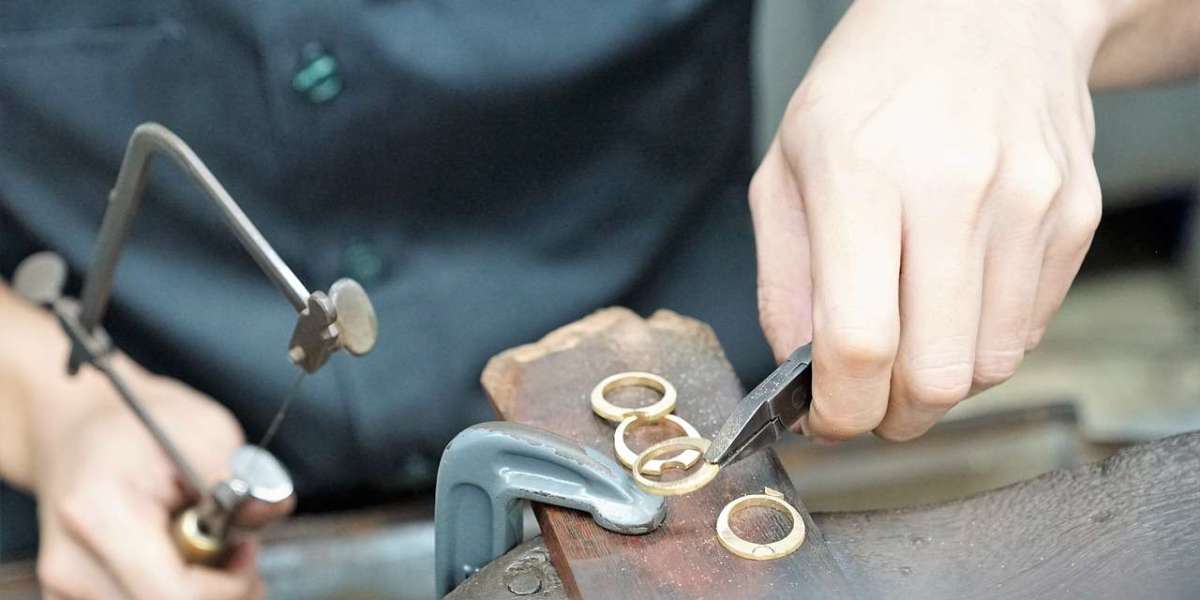

Why Jewelry Making Is Becoming More Popular
Jewelry has always been more than decoration. It carries emotion, culture, memories, and sometimes even status. In countries like India, jewelry is deeply connected to traditions, celebrations, and personal identity. That’s one reason the industry continues growing at such a fast pace.
As per GMI Research, the Jewelry Market size is estimated to reach USD 514.2 billion in 2032. With demand rising and styles changing constantly, jewelry design has turned into both a creative hobby and a serious career opportunity.
What makes jewelry making exciting is that almost anyone can start. You don’t need a giant workshop or years of experience to begin learning the craft. Most people simply start with curiosity and a few basic tools.
Start With the Type of Jewelry You Actually Enjoy
One of the biggest mistakes beginners make is trying to learn everything at once.
Beading, wire wrapping, metal stamping, resin art, stone setting, crocheted jewelry, handmade chains. There’s a huge list of techniques out there, and jumping into all of them together usually becomes overwhelming pretty fast.
It’s easier to pick one style that genuinely interests you and focus on that first.
Some people enjoy working with colorful beads because it feels simple and creative. Others are drawn toward metalwork because they like bold statement pieces. Then there are people who love gemstones and want to create something that looks luxurious and detailed.
There’s no “correct” starting point. The important thing is choosing something that keeps you interested enough to continue practicing.
Learn the Basic Jewelry Making Skills First
No matter which style you choose, there are a few core techniques that almost every jewelry maker eventually needs.
Simple things matter a lot in the beginning. Learning how to open and close jump rings properly. Creating basic wire loops. Understanding how clasps connect. These small skills become the foundation for bigger and more advanced designs later on.
At first, these techniques may feel repetitive. Then suddenly everything starts making sense, and creating jewelry becomes much more enjoyable.
That’s usually the moment people really get hooked on the craft.
Invest in Good Tools When You Can
A lot of beginners start by borrowing tools from home. Wire cutters, pliers, small hand tools. That’s completely fine in the beginning.
Still, quality tools make a noticeable difference once you start practicing regularly. Better tools feel easier to handle, create cleaner work, and save time during the process.
You don’t need to buy every expensive item immediately. Start small. Build your toolkit gradually based on the type of jewelry you actually enjoy making.
Over time, those tools often pay for themselves because you begin creating personalized jewelry instead of constantly buying it from stores.
And honestly, handmade jewelry also makes surprisingly meaningful gifts.
Understanding Jewelry Making Terms Helps a Lot
Jewelry making has its own language, and it can feel confusing at first.
Things like headpins, eye pins, jump rings, gauges, findings, crimp beads. Beginners often see these terms online and have no idea what they mean.
Even wire sizes can sound backwards initially. A lower gauge wire is actually thicker than a higher gauge wire, which confuses almost everyone at first.
Learning these basics early saves time and frustration later. It also makes shopping for supplies much easier because you know exactly what materials you need.
Many beginners now learn industry terminology through online tutorials and jewelry-making courses, which makes the learning process far less intimidating than it used to be.
Create a Workspace That Keeps You Organized
Jewelry making can get messy very quickly.
Tiny beads roll everywhere. Wires get tangled. Tools disappear under piles of supplies. Before long, it becomes difficult to find anything.
That’s why having a dedicated workspace helps so much. It doesn’t need to be a professional studio. Even a small desk, table corner, or storage cabinet can work perfectly well.
Storage boxes with small compartments are especially useful for organizing beads, stones, clasps, and findings. Once everything has its place, creating jewelry becomes smoother and far more relaxing.
And when inspiration suddenly strikes, you won’t waste half your time searching for missing supplies.
Taking Jewelry Making Classes Can Speed Up Learning
Some techniques are easier to learn through direct guidance instead of trial and error.
That’s where jewelry-making classes become helpful. Beginners can join local workshops or take online courses focused on specific skills like wire wrapping, beadwork, metal stamping, or resin jewelry.
A good instructor can explain small details that are difficult to figure out alone. Sometimes a five-minute demonstration saves hours of frustration.
Online learning has also made jewelry education much more accessible. People can now learn advanced techniques from home without needing formal design school training.
Jewelry Making Is Both Creative and Rewarding
Jewelry making has existed for centuries, and it still continues evolving with changing trends and modern designs.
For some people, it becomes a business. For others, it stays a relaxing creative hobby. Either way, the process itself feels rewarding because you’re creating something personal with your own hands.
It does require patience, focus, and attention to detail. Mistakes happen constantly in the beginning. That’s normal.
But with practice, the designs improve, confidence grows, and the entire craft starts feeling less complicated and much more enjoyable.