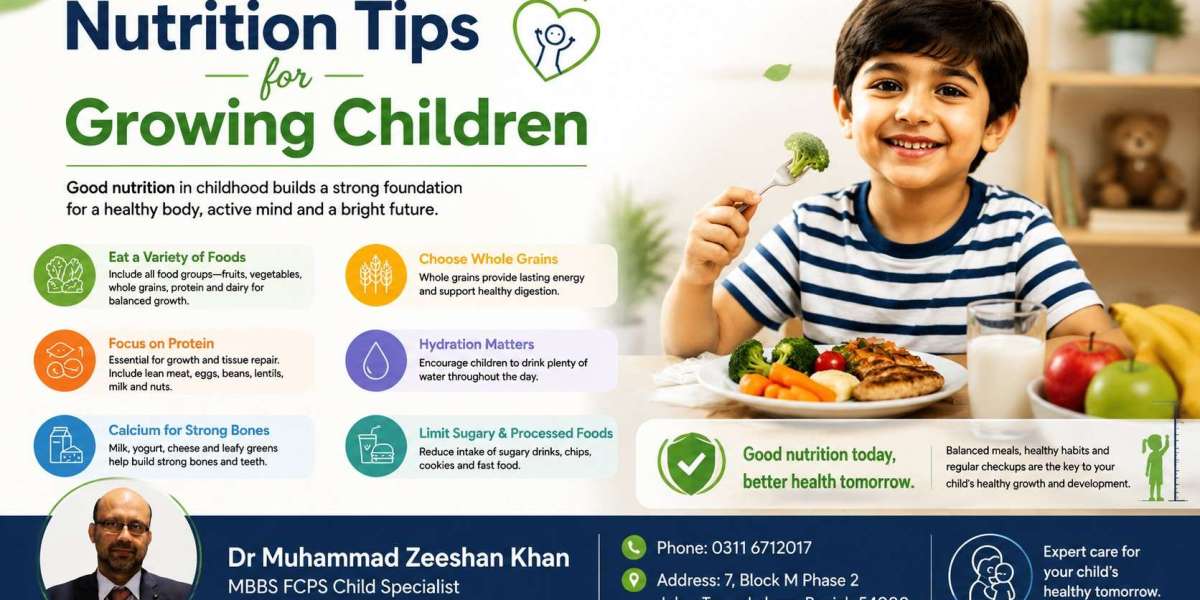

Children have unique nutritional requirements that differ from adults. Their bodies are constantly growing, developing, and building new tissues. Adequate nutrition ensures that their bones, muscles, brain, and organs develop properly. Nutrients such as proteins, carbohydrates, fats, vitamins, and minerals are essential at every stage of growth.
Key Nutrients for Growing Children
- Proteins: Proteins are the building blocks of the body. They support muscle growth, tissue repair, and the production of hormones and enzymes. Good sources include eggs, chicken, fish, beans, lentils, and dairy products.
- Carbohydrates: Carbs provide energy, which is crucial for active children. Whole grains like oats, brown rice, and whole wheat bread are excellent sources, along with fruits and vegetables.
- Fats: Healthy fats are essential for brain development, hormone production, and energy storage. Include sources like nuts, seeds, avocados, and olive oil in your child’s diet.
- Vitamins and Minerals: Vitamins such as A, C, D, and B-complex, along with minerals like calcium, iron, and zinc, are vital for growth, immunity, and overall health. Encourage a variety of colorful fruits, vegetables, and fortified foods.
- Water: Hydration is often overlooked but is essential for digestion, metabolism, and cognitive function. Encourage children to drink water regularly throughout the day.
Nutrition Tips for Children by Age Group
Different age groups have varying nutritional needs. Here’s a breakdown of what to focus on at each stage:
Infants (0–12 months)
- Breastfeeding or Formula Feeding: Breast milk is the gold standard for nutrition in the first six months. Formula feeding can be used if breastfeeding isn’t possible.
- Introduction to Solids: Around six months, gradually introduce solid foods such as pureed fruits, vegetables, and cereals. Avoid honey and processed sugars at this age.
- Iron-Rich Foods: Include iron-fortified cereals and pureed meats to support brain development.
Toddlers (1–3 years)
- Balanced Meals: Offer a variety of foods from all food groups. Toddlers often prefer small, frequent meals.
- Healthy Snacking: Replace sugary snacks with fruits, yogurt, and whole-grain crackers.
- Introduce Dairy: Provide milk, cheese, and yogurt for calcium and vitamin D, which are crucial for bone growth.
Preschoolers (3–5 years)
- Encourage Fruits and Vegetables: Offer colorful, nutrient-dense meals. Make eating fun by using shapes and presentations that appeal to children.
- Protein Intake: Ensure adequate protein from eggs, lean meat, beans, and legumes.
- Limit Junk Food: Minimize chips, sodas, and sweets to prevent obesity and dental problems.
School-Age Children (6–12 years)
- Balanced Diet: Provide meals with a balance of carbohydrates, proteins, and healthy fats. Include whole grains and fresh produce.
- Support Cognitive Development: Foods rich in omega-3 fatty acids, such as fish and flaxseed, are beneficial for brain health.
- Encourage Hydration: Teach children the importance of drinking water instead of sugary drinks.
Adolescents (13–18 years)
- Caloric Needs: Teenagers require more calories due to rapid growth and physical activity. Ensure the diet supports muscle development and bone health.
- Iron and Calcium: Include iron-rich foods like lean meats and legumes, and calcium-rich foods like milk and yogurt.
- Healthy Eating Habits: Encourage mindful eating, avoid skipping meals, and limit fast food consumption.
Practical Tips to Encourage Healthy Eating
Many children can be picky eaters, which makes ensuring balanced nutrition a challenge. Here are practical tips to promote healthy eating habits:
- Lead by Example: Children mimic the eating habits of their parents. Eat a variety of healthy foods yourself.
- Make Food Fun: Present meals in creative ways, using colors, shapes, and textures that attract children.
- Avoid Food as a Reward: Instead of using candy or snacks as a reward, encourage praise and non-food incentives.
- Involve Children in Cooking: Let them help in meal preparation. This increases interest in trying new foods.
- Stick to Regular Meal Times: Structured meals and snacks prevent overeating and establish routine.
- Limit Sugary Drinks and Snacks: Promote water, milk, and fresh juices instead of sodas and sugary beverages.
Common Nutritional Mistakes to Avoid
Even well-meaning parents can make mistakes in feeding their children. Here’s what to watch out for:
- Skipping Breakfast: Breakfast fuels the body and brain. A nutritious breakfast improves attention and energy levels.
- Overloading on Processed Foods: Packaged foods are often high in sugar, salt, and unhealthy fats, which can hinder growth and promote weight gain.
- Ignoring Portion Sizes: Even healthy foods can contribute to weight gain if portion sizes are too large.
- Neglecting Physical Activity: Nutrition alone isn’t enough. Encourage regular physical activity to support healthy growth.
- Relying on Supplements Alone: While vitamins can help, they cannot replace a balanced diet. Real food provides additional nutrients and fiber.
Foods to Include in Your Child’s Diet
- Fruits: Apples, berries, oranges, bananas, and mangoes provide vitamins, minerals, and fiber.
- Vegetables: Carrots, spinach, peas, broccoli, and bell peppers support immunity and growth.
- Proteins: Eggs, lean meats, poultry, fish, beans, and lentils are essential for muscle and tissue development.
- Whole Grains: Brown rice, oats, quinoa, and whole wheat bread provide energy and fiber.
- Dairy: Milk, yogurt, and cheese supply calcium and vitamin D for strong bones.
- Healthy Fats: Nuts, seeds, avocados, and olive oil support brain development and overall growth.
When to Consult a Child Specialist
Even with the best diet and care, some children may face growth challenges, food intolerances, or developmental concerns. Consulting a qualified child specialist is essential if you notice:
- Poor weight gain or excessive weight
- Persistent fatigue or weakness
- Delayed growth or puberty
- Digestive issues or food allergies
- Behavioral or cognitive concerns
In Lahore, parents seeking expert guidance on child nutrition and growth can contact Dr Muhammad Zeeshan Khan MBBS FCPS, Child Specialist. With extensive experience in pediatric care, Dr. Khan provides comprehensive health evaluations and personalized advice for children.
Contact Information:
- Phone: 0311 6712017
- Address: 7, Block M, Phase 2 Johar Town, Lahore, Punjab 54000
Lifestyle Habits to Support Nutrition
- Regular Exercise: Encourage outdoor play, sports, or simple exercises. Physical activity supports healthy growth, strengthens bones, and improves mood.
- Adequate Sleep: Children need sufficient sleep to allow their bodies to repair and grow. Establish a consistent bedtime routine.
- Stress Management: Minimize stress and anxiety in children, as emotional health impacts appetite and growth.
- Limit Screen Time: Excessive screen use can lead to sedentary habits and unhealthy snacking. Balance screen time with active play.
Conclusion
Nutrition is the foundation of a child’s growth and well-being. By understanding their nutritional needs, providing balanced meals, encouraging healthy habits, and seeking expert guidance when necessary, parents can ensure their children thrive physically and mentally.
For families in Lahore, accessing expert care and guidance from the best child specialist in Lahore like Dr Muhammad Zeeshan Khan can make a significant difference in a child’s health journey. Whether it’s for routine check-ups, dietary guidance, or managing specific health concerns, professional advice helps parents make informed decisions.
Investing time and effort in your child’s nutrition today sets the stage for a lifetime of health, happiness, and success. Start with balanced meals, healthy habits, and expert guidance to give your child the best chance at reaching their full potential.