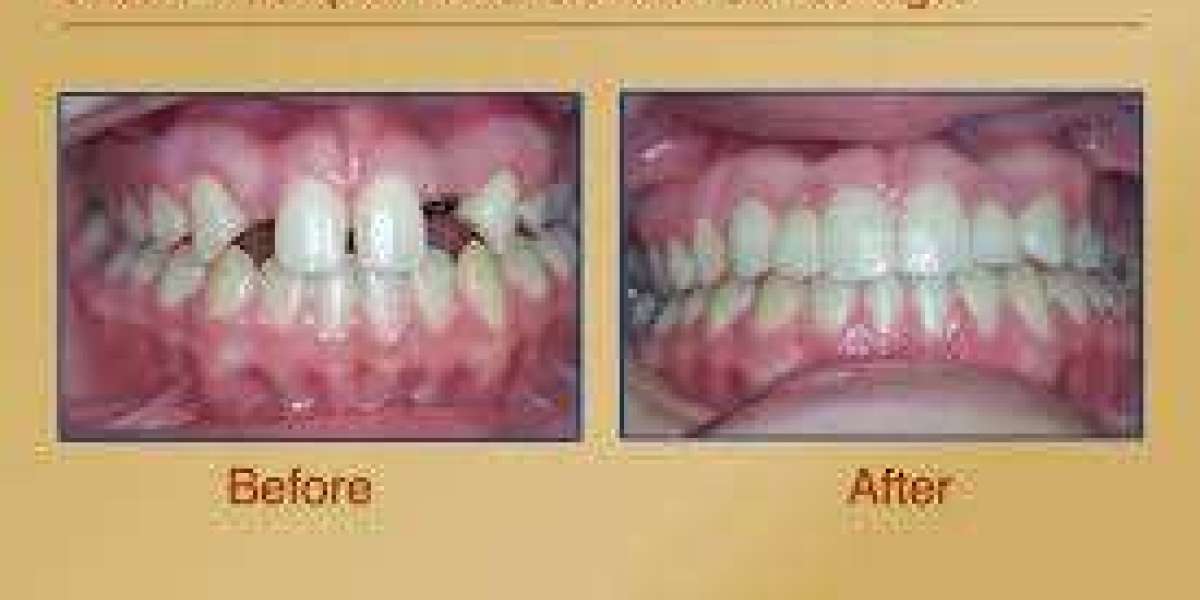

Dental Crowns: Restore Strength and Beauty to Your Smile
A healthy and attractive smile can have a significant impact on your confidence and overall quality of life. However, teeth can become damaged due to decay, injury, wear and tear, or other dental issues. When a tooth is weakened or compromised, it may require more than a simple filling to restore its function and appearance. In such cases, dental crowns provide an effective and long-lasting solution.
Dental crowns are one of the most common restorative treatments in modern dentistry. They help protect damaged teeth, restore their strength, and improve the appearance of your smile. Whether you have a cracked tooth, a large filling, or a severely worn tooth, a dental crown can help restore both function and beauty.
What Is a Dental Crown?
A dental crown is a custom-made cap that is placed over a damaged or weakened tooth. It completely covers the visible portion of the tooth above the gum line, restoring its shape, size, strength, and appearance.
Crowns are designed to look and function like natural teeth. They are carefully crafted to match the color and shape of your surrounding teeth, creating a seamless and natural-looking smile.
Why Are Dental Crowns Needed?
Dental crowns are recommended when a tooth is too damaged to be repaired with a simple filling or bonding treatment. They provide protection and support while preserving the natural tooth structure whenever possible.
Common reasons for needing a dental crown include:
- Restoring a cracked or broken tooth
- Protecting a weak tooth from further damage
- Covering a tooth after root canal treatment
- Supporting a tooth with a large filling
- Restoring severely worn teeth
- Improving the appearance of discolored or misshapen teeth
- Completing a dental implant restoration
Benefits of Dental Crowns
Dental crowns offer numerous advantages that make them a popular choice for restorative dentistry.
Restores Tooth Strength
One of the primary benefits of a dental crown is its ability to strengthen a weakened tooth. A crown provides a protective outer layer that helps the tooth withstand normal biting and chewing forces.
This added strength reduces the risk of further fractures or damage.
Protects Damaged Teeth
When a tooth is cracked, worn, or weakened, it becomes more vulnerable to additional problems. A crown acts as a shield, protecting the tooth from bacteria, pressure, and daily wear.
This protection helps extend the life of the natural tooth.
Improves Appearance
Dental crowns are designed to mimic the appearance of natural teeth. They can improve the shape, size, color, and alignment of a damaged tooth, enhancing the overall look of your smile.
Modern crowns are highly aesthetic and blend naturally with surrounding teeth.
Restores Normal Function
Damaged teeth can make eating and speaking uncomfortable. Dental crowns restore the functionality of the tooth, allowing you to chew and speak with confidence.
Once the crown is placed, the tooth can perform much like a healthy natural tooth.
Long-Lasting Solution
With proper care, dental crowns can last for many years. Their durability makes them a reliable and cost-effective treatment for restoring damaged teeth.
Regular dental checkups and good oral hygiene can help maximize the lifespan of your crown.
Types of Dental Crowns
Several types of dental crowns are available, each offering unique benefits.
Porcelain Crowns
Porcelain crowns are highly aesthetic and closely resemble natural teeth. They are often used for front teeth because of their excellent appearance.
Ceramic Crowns
Ceramic crowns provide a natural look and are suitable for patients who prefer metal-free restorations.
Metal Crowns
Metal crowns are extremely durable and resistant to wear. They are often used for molars where strength is more important than appearance.
Porcelain-Fused-to-Metal Crowns
These crowns combine the strength of metal with the appearance of porcelain, providing both durability and aesthetics.
Zirconia Crowns
Zirconia crowns are known for their exceptional strength and natural appearance. They are becoming increasingly popular due to their durability and aesthetic qualities.
The Dental Crown Procedure
Getting a dental crown usually involves two dental visits.
First Visit: Tooth Preparation
During the first appointment:
- The dentist examines the tooth.
- Any decay or damaged areas are removed.
- The tooth is reshaped to make room for the crown.
- Impressions of the tooth are taken to create a custom crown.
- A temporary crown may be placed to protect the tooth.
Second Visit: Crown Placement
Once the permanent crown is ready:
- The temporary crown is removed.
- The dentist checks the fit, shape, and color of the new crown.
- The crown is securely bonded to the tooth.
- Final adjustments are made to ensure comfort and proper bite alignment.
After placement, the crown looks and functions like a natural tooth.
Caring for Your Dental Crown
Proper care is essential to maintain your dental crown and overall oral health.
To keep your crown in excellent condition:
- Brush your teeth twice daily.
- Floss carefully around the crown.
- Avoid chewing hard objects such as ice or pens.
- Limit habits like teeth grinding.
- Visit your dentist regularly for checkups and cleanings.
Good oral hygiene helps protect both the crown and the natural tooth underneath.
Are Dental Crowns Comfortable?
Most patients adjust quickly to their dental crowns. Since crowns are custom-made to fit your mouth, they feel natural and comfortable once placed.
Some mild sensitivity may occur initially, but it usually disappears within a few days.
Conclusion
Dental crowns are an excellent solution for restoring damaged, weakened, or worn teeth. They provide strength, protection, and a natural appearance while helping preserve your oral health. Whether you need to repair a broken tooth, improve your smile, or protect a tooth after treatment, dental crowns offer a durable and effective option.