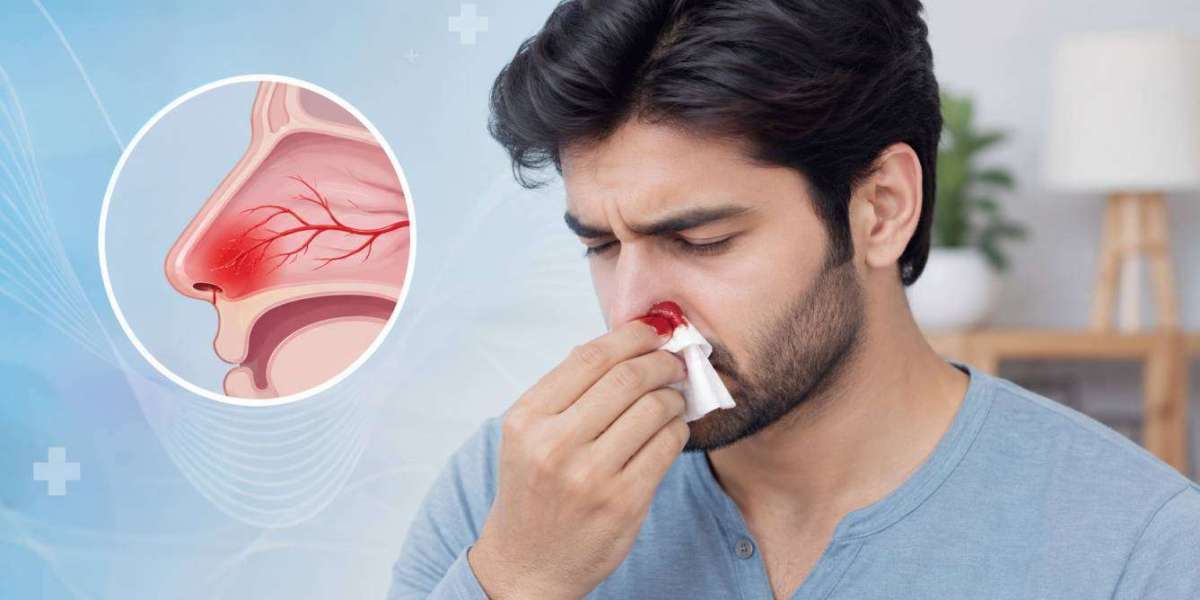

What Is a Nosebleed?
A nosebleed, medically known as epistaxis, occurs when blood vessels inside the nose rupture and bleed. The nose contains many tiny blood vessels close to the surface, making it vulnerable to injury, dryness, and irritation.
Nosebleeds are generally classified into two types:
1. Anterior Nosebleeds
These occur in the front part of the nose and are the most common type. They are usually mild and manageable at home.
2. Posterior Nosebleeds
These occur deeper inside the nose and are more serious. Posterior nosebleeds often affect older adults or people with underlying health conditions such as high blood pressure.
An experienced ent specialist in Lahore can determine the type and severity of nosebleed through proper examination.
Common Causes of Nosebleeds
Several factors can trigger nosebleeds. Some are temporary and harmless, while others may require medical evaluation.
Dry Air and Weather Changes
Dry air can cause the nasal lining to crack and bleed. This is common during winter months or in air-conditioned environments.
Nose Picking
Frequent nose picking damages delicate blood vessels inside the nostrils, especially in children.
Allergies and Infections
Sinus infections, colds, and allergies can irritate nasal tissues and increase the risk of bleeding.
Trauma or Injury
A blow to the face, sports injury, or accident can cause immediate bleeding from the nose.
High Blood Pressure
Uncontrolled hypertension may contribute to severe or recurring nosebleeds.
Medications
Blood-thinning medications such as aspirin or anticoagulants may increase bleeding risk.
Deviated Nasal Septum
A crooked nasal septum can create airflow imbalance, leading to dryness and recurrent bleeding.
Nasal Polyps or Tumors
In rare cases, abnormal growths inside the nose may cause repeated nosebleeds.
Excessive Use of Nasal Sprays
Overuse of decongestant sprays may irritate nasal tissues and damage blood vessels.
When nosebleeds become frequent, persistent, or severe, visiting an ent specialist in Lahore is important for accurate diagnosis and long-term treatment.
Symptoms Associated With Nosebleeds
Although bleeding is the main symptom, some people may experience additional signs depending on the underlying cause.
These symptoms may include:
- Blood dripping from one or both nostrils
- Blood flowing down the throat
- Dizziness or weakness
- Nasal blockage
- Facial pain or pressure
- Difficulty breathing through the nose
- Headaches
If symptoms are severe or occur repeatedly, professional medical assessment is recommended.
How to Treat a Nosebleed at Home
Proper first aid is essential for controlling a nosebleed safely and effectively.
Step 1: Stay Calm
Panic can increase blood pressure and worsen bleeding.
Step 2: Sit Upright
Sit straight and lean slightly forward. Avoid lying down or tilting the head backward because blood may flow into the throat.
Step 3: Pinch the Nose
Use your thumb and index finger to pinch the soft part of the nose for about 10 to 15 minutes continuously.
Step 4: Apply a Cold Compress
Placing an ice pack on the bridge of the nose may help constrict blood vessels.
Step 5: Avoid Nose Blowing
Do not blow or pick the nose after bleeding stops, as this may restart the bleeding.
If bleeding continues for more than 20 minutes, immediate medical attention is necessary.
What Not to Do During a Nosebleed
Many people unintentionally make mistakes that worsen the condition.
Avoid the following:
- Tilting the head backward
- Stuffing tissues deep into the nostrils
- Lying flat on the bed
- Heavy physical activity immediately afterward
- Forceful nose blowing
A qualified ent specialist in Lahore can educate patients about proper nose care and prevention strategies.
Medical Treatments for Nosebleeds
When home remedies fail or nosebleeds recur frequently, medical treatment may be needed.
Nasal Cauterization
This procedure seals the bleeding blood vessel using heat, silver nitrate, or electrical energy.
Nasal Packing
Doctors may place special packing material inside the nose to stop bleeding and support healing.
Treating Underlying Conditions
Management of allergies, infections, hypertension, or sinus disorders may reduce recurring nosebleeds.
Septoplasty
If a deviated septum contributes to bleeding, surgery may be recommended to correct nasal structure.
Endoscopic Examination
An ENT doctor may use a nasal endoscope to inspect deeper nasal passages for abnormalities.
Seeking care from an experienced ent specialist in Lahore ensures proper diagnosis and advanced treatment options.
When Should You See a Doctor?
Although occasional nosebleeds are common, some situations require immediate medical care.
You should seek medical help if:
- Bleeding lasts more than 20 minutes
- Nosebleeds occur frequently
- Bleeding is very heavy
- You feel dizzy or faint
- The nosebleed follows a head injury
- You have difficulty breathing
- Blood pressure is extremely high
- Nosebleeds occur while taking blood thinners
Children and elderly individuals with recurrent nosebleeds should also undergo medical evaluation.
Nosebleeds in Children
Children commonly experience nosebleeds due to nose picking, allergies, dry weather, or minor trauma.
Parents should:
- Keep children’s nails trimmed
- Use humidifiers in dry rooms
- Encourage gentle nose blowing
- Apply saline sprays for moisture
Persistent bleeding in children may require examination by an ENT doctor to rule out structural issues or infections.
Nosebleeds in Older Adults
Older adults are more vulnerable to severe nosebleeds because of fragile blood vessels, high blood pressure, and medication use.
In elderly patients, recurrent bleeding should never be ignored. A detailed assessment by an ent specialist in Lahore can help identify serious underlying conditions.
Can High Blood Pressure Cause Nosebleeds?
High blood pressure does not always directly cause nosebleeds, but uncontrolled hypertension can worsen bleeding and make it harder to stop.
People with hypertension should:
- Monitor blood pressure regularly
- Reduce salt intake
- Follow prescribed medications
- Avoid smoking and excessive stress
Proper cardiovascular management can help reduce complications associated with nosebleeds.
Preventing Nosebleeds
Prevention is often easier than treatment. Several lifestyle habits can reduce the risk of nasal bleeding.
Keep Nasal Passages Moist
Use saline sprays or humidifiers to prevent dryness.
Avoid Nose Picking
This is especially important for children.
Stay Hydrated
Drinking enough water keeps nasal tissues healthy.
Use Protective Gear
Wear helmets and face protection during sports activities.
Control Allergies
Proper allergy treatment reduces irritation and inflammation.
Limit Nasal Spray Overuse
Use medicated sprays only as directed by a doctor.
Manage Chronic Conditions
Controlling blood pressure and sinus problems can lower bleeding risk.
An ent specialist in Lahore can provide personalized preventive care for patients with chronic or recurrent nosebleeds.
Are Nosebleeds Dangerous?
Most nosebleeds are harmless, but repeated or severe episodes can indicate a more serious issue.
Potential complications may include:
- Significant blood loss
- Anemia
- Difficulty breathing
- Infection from nasal packing
- Hidden tumors or vascular abnormalities
Early diagnosis is important to prevent complications and ensure proper treatment.
Diagnostic Tests for Nosebleeds
ENT doctors may recommend several tests depending on symptoms and medical history.
These tests can include:
- Nasal endoscopy
- Blood tests
- CT scan of the sinuses
- Blood pressure evaluation
- Allergy testing
These investigations help identify the exact cause and guide treatment planning.
Lifestyle Tips for Better Nasal Health
Maintaining healthy nasal passages can reduce the likelihood of future problems.
Helpful habits include:
- Avoid smoking and secondhand smoke
- Use humidified air indoors
- Eat a balanced diet rich in vitamins
- Avoid harsh chemical exposure
- Practice gentle nasal hygiene
Healthy lifestyle choices support better respiratory and nasal function overall.
Advanced ENT Care for Nosebleeds
Modern ENT clinics now offer advanced technology for diagnosing and treating nasal conditions. Endoscopic procedures, minimally invasive treatments, and improved surgical techniques allow faster recovery and better outcomes for patients.
Choosing a skilled and experienced ent specialist in Lahore is important for effective management of recurrent or severe nosebleeds.
Conclusion
Nosebleeds are common but should not always be ignored. While occasional mild bleeding can often be treated at home, persistent or severe episodes may signal underlying medical conditions requiring professional care.
Recognizing warning signs, practicing proper first aid, and taking preventive measures can significantly reduce complications. Timely evaluation by an ENT specialist helps ensure accurate diagnosis and appropriate treatment.
For professional consultation and advanced ENT care:
Prof. Dr. Amir Yousaf ENT Specialist in Lahore
Phone: 0333 4976126
Address: 7, near Khokhar Chowk, Block M Johar Town, Lahore, 54782
https://maps.app.goo.gl/Y69iwxjuagB2sgJw6