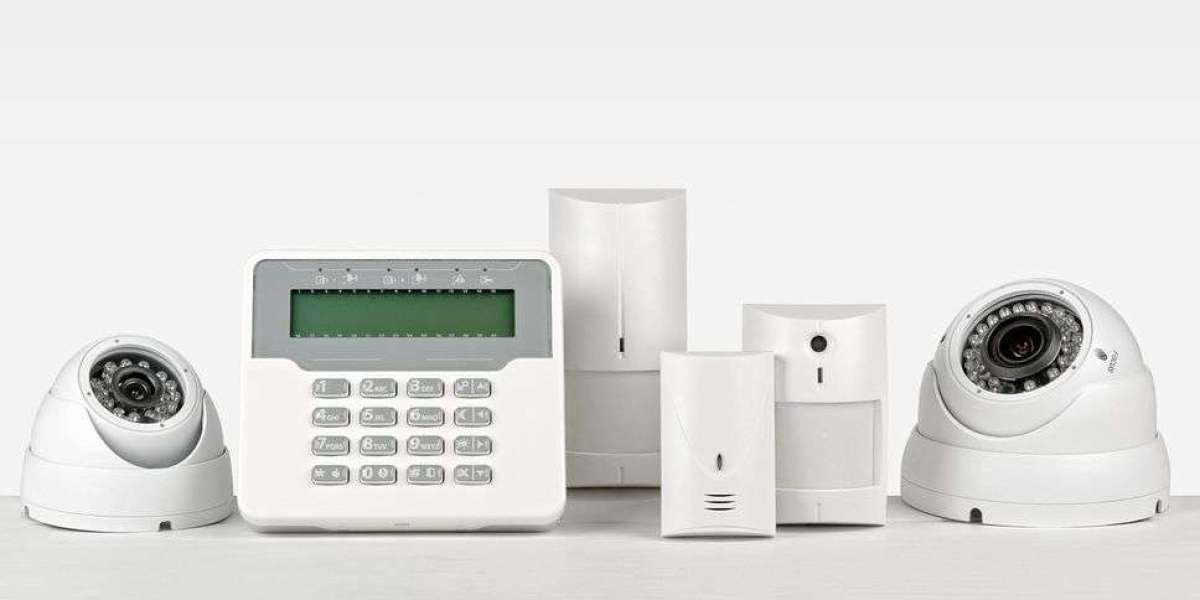

A custom alarm system is only as effective as the sensors it uses. Sensors are the eyes and ears of your security setup, detecting unauthorised access, movement, or environmental danger before serious damage occurs. Choosing the right sensor types—and placing them correctly—is what separates a reliable security system from a basic alarm.
In this guide, we’ll explain the most important custom alarm system sensor types, what each one does, and why they matter for protecting your home.
Why Sensor Choice Matters in a Custom Alarm System
Not all homes face the same risks. A detached house, a terraced property, and a flat all require different detection strategies. A custom alarm system selects sensors based on your home’s layout, access points, and daily routine.
Using the wrong sensor—or too many of the same type—can lead to false alarms, blind spots, or unnecessary costs. Proper sensor selection ensures accurate detection and dependable performance.
Perimeter Sensors: Your First Line of Defence
Perimeter sensors focus on detecting intrusions before someone fully enters your home.
Door Contact Sensors
Door sensors trigger an alert when a door is opened while the system is armed. They are essential for:
Front and back doors
Side entrances
Garage access points
In a custom alarm system, door sensors are installed only on key access points rather than every door, keeping the system efficient and cost-effective.
Window Contact Sensors
Window sensors detect when a window is opened or forced. Ground-floor and rear-facing windows are typically prioritised due to higher risk.
Correct placement prevents unnecessary alerts from low-risk or inaccessible windows.
Internal Detection Sensors
Internal sensors act as a second layer of protection if perimeter security is bypassed.
Motion Sensors
Motion sensors detect movement inside the home and are a core component of any custom alarm system. They are commonly installed in:
Hallways
Living rooms
Stairwells
Advanced motion sensors can differentiate between human movement and pets, reducing false alarms.
Dual-Technology Motion Sensors
These sensors combine two detection methods, usually motion and heat, to confirm real threats before triggering an alarm. They are ideal for rooms with:
Large windows
Temperature changes
Airflow from heating systems
Glass Break Sensors
Glass break sensors detect the sound frequency or vibration created when glass is shattered. They are particularly useful for:
Patio doors
Large windows
Conservatories
In a custom alarm system, these sensors are used selectively where breaking glass is a likely intrusion method.
Shock and Vibration Sensors
Shock sensors detect impact or vibration on doors and windows before they are opened. This provides earlier warning compared to standard contact sensors.
They are especially useful for:
High-value properties
Homes in high-risk areas
Doors with reinforced locks
These sensors enhance deterrence by triggering alerts at the first sign of forced entry.
Environmental Safety Sensors
A custom alarm system doesn’t only protect against intruders—it also safeguards your home from environmental dangers.
Smoke and Heat Sensors
Smoke and heat sensors detect fire hazards and integrate with your alarm system to alert occupants immediately. When connected to a central system, alerts can be sent even when you’re away from home.
Carbon Monoxide Sensors
Carbon monoxide is invisible and odourless, making detection critical. These sensors provide early warnings and can be lifesaving, especially in homes with gas appliances.
Flood and Water Leak Sensors
Flood sensors detect leaks from:
Washing machines
Boilers
Pipes and radiators
Early alerts help prevent costly water damage and long-term structural issues.
Outdoor Sensors and External Detection
External detection enhances security by identifying threats before they reach your home.
Outdoor Motion Sensors
Outdoor sensors detect movement around:
Driveways
Gardens
Perimeter boundaries
When used in a custom alarm system, sensitivity levels are adjusted to avoid false alarms caused by animals or weather.
Perimeter Beam Sensors
These sensors create invisible beams around your property. When the beam is broken, an alert is triggered. They are ideal for large properties or homes with defined boundaries.
Smart Sensors and System Integration
Modern custom alarm systems often integrate with smart technology for enhanced control.
Smart Sensors
Smart sensors communicate wirelessly with your system and mobile devices. Benefits include:
Instant alerts
Remote system control
Real-time system status updates
Integration with CCTV and Access Control
When sensors work alongside cameras and smart locks, alerts can be verified visually, improving response accuracy and reducing unnecessary call-outs.
Choosing the Right Sensors for Your Home
The best custom alarm system uses a balanced combination of sensors rather than relying on one type.
Key Factors to Consider
Property size and layout
Number of entry points
Presence of pets
Lifestyle and occupancy patterns
Professional assessment ensures sensors are placed where they deliver the most protection.
Common Sensor Mistakes to Avoid
Overusing Motion Sensors
Too many motion sensors can increase false alarms and system complexity. Strategic placement is more effective than quantity.
Ignoring Environmental Risks
Many homeowners focus only on intruders and overlook fire, gas, or water risks. A truly custom alarm system covers both security and safety.
Why Professional Design Makes a Difference
Professionally designed systems account for blind spots, environmental factors, and daily habits. This results in:
Improved detection accuracy
Reduced false alerts
Long-term reliability
Expert input ensures every sensor in your custom alarm system serves a clear purpose.
Final Thoughts
Sensors are the foundation of any custom alarm system. From door contacts and motion detectors to environmental safety devices, each sensor plays a vital role in protecting your home.
By choosing the right sensor types and placing them strategically, you create a system that responds quickly, accurately, and reliably. A well-designed custom alarm system doesn’t rely on guesswork—it’s built around your home, your risks, and your peace of mind.