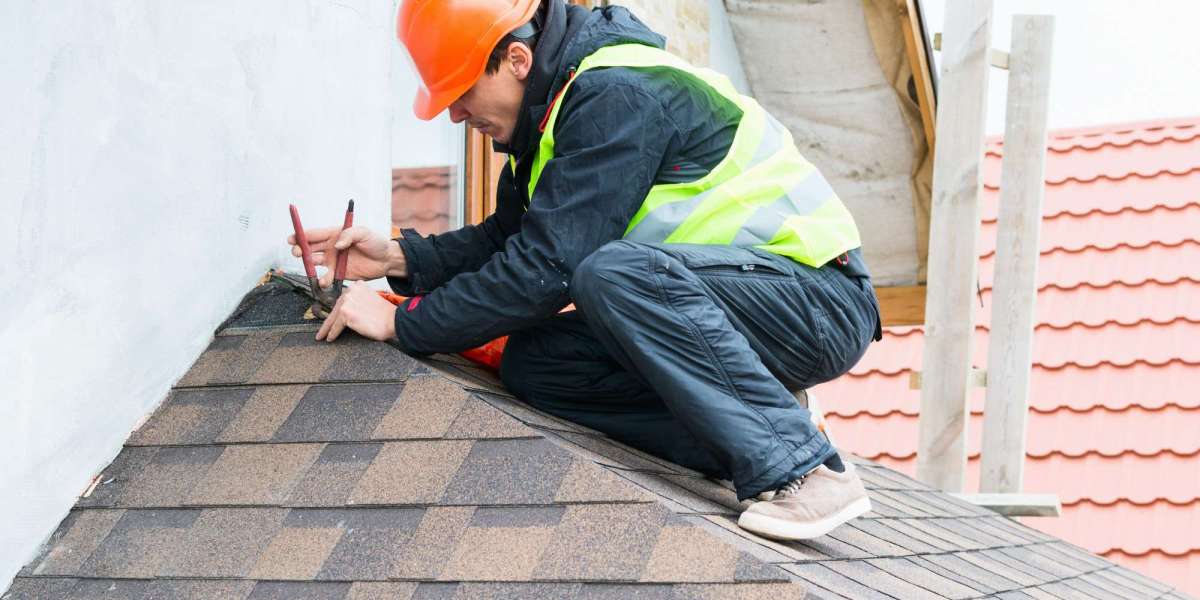

Your home is your sanctuary, and the roof is its first line of defense against the unpredictable forces of nature. Whether it is a sudden downpour, relentless summer heat, or powerful gusting winds, your roofing system bears the brunt of the elements day in and day out. Over time, this constant exposure inevitably leads to wear and tear. When the time comes that you need a professional roof repair, it is absolutely essential to address the issue immediately before minor vulnerabilities transform into major, costly structural damage.
As a property owner, understanding the fundamentals of roof maintenance and repair is not just about protecting your investment; it is about ensuring the safety and comfort of everyone inside. A well-maintained roof seamlessly directs water away from your foundation, insulates your living spaces, and adds significant curb appeal to your property. Unfortunately, because the roof is largely out of sight, it often remains out of mind until a glaring issue—such as water dripping through the ceiling—demands immediate attention. This comprehensive guide will walk you through everything you need to know about repairing your roof, from identifying early warning signs to understanding the professional repair process, so you can make informed, confident decisions.
1. Common Signs Your Home Requires Immediate Attention
Recognizing the early indicators of roof damage can save you thousands of dollars in secondary repairs. Roof degradation rarely happens overnight; it is typically a progressive issue that leaves breadcrumbs along the way.
Interior Water Stains, Leaks, and Mold Growth
One of the most obvious signs that your roofing system has been compromised is the appearance of water damage inside your home. If you notice dark, sprawling water stains on your ceilings or walls, moisture has already breached the exterior barrier and penetrated the underlayment, decking, and insulation. It is important to note that water is notoriously tricky; it can enter through a damaged shingle in one area and travel along a rafter before finally dripping onto your ceiling several feet away. Furthermore, trapped moisture in your attic can lead to the rapid proliferation of mold and mildew. This not only rots the wooden structures of your home but also severely impacts your indoor air quality, posing health risks to your family.
Missing, Cracked, or Curling Shingles
A visual inspection from the ground can reveal a lot about the health of your roof. Asphalt shingles, the most common residential roofing material, undergo significant stress over their lifespan. If you observe shingles that are visibly cracked, severely curled at the edges, or entirely missing, your roof's waterproofing capabilities are severely diminished. Curling shingles are often a sign of poor attic ventilation or advanced age, as the materials begin to dry out and shrink. Additionally, check your gutters for an excessive accumulation of roofing granules. Granules protect the asphalt from harsh UV rays; when they wash away, the shingles become brittle and highly susceptible to cracking under thermal shock.
Sagging Rooflines and Wood Rot
A healthy roof should have straight, crisp lines. If you notice any dipping, drooping, or sagging, you are likely looking at a severe structural issue that requires immediate professional intervention. Sagging usually indicates that moisture has penetrated the protective layers and caused the underlying wood decking or roof trusses to rot and weaken. This compromises the structural integrity of the entire roof and poses a significant collapse hazard, particularly if subjected to the added weight of heavy rain or accumulated debris.
2. Understanding the Impact of Local Weather and Environment
The geographical location of your property plays a massive role in the lifespan of your roof. Different climates introduce unique challenges that degrade roofing materials in specific ways. Understanding these environmental factors helps in anticipating repairs.
The Toll of Coastal Air and High Moisture Levels
Properties situated near the coast are subjected to a unique set of atmospheric challenges. The salty coastal air can accelerate the corrosion of metal roofing components, including essential flashing around chimneys, vents, and valleys. Flashing is critical for directing water away from vulnerable seams, and when it rusts or deteriorates, leaks are almost guaranteed. Furthermore, areas with high ambient humidity or persistent morning fog provide the perfect breeding ground for algae and moss. While a small amount of algae is mostly a cosmetic issue, heavy moss growth can actively lift the edges of shingles and trap moisture against the roof deck, accelerating the decay of the roofing materials.
Intense Heat and Harmful UV Damage
In regions that experience blistering summer temperatures, the roof acts as a giant solar collector. Dark-colored roofs can reach temperatures well above the ambient air temperature, leading to severe thermal expansion. Throughout the day, the materials expand in the heat and contract as temperatures drop at night. This continuous cycle of thermal shock weakens the materials, causing asphalt to blister, crack, and lose its protective granules. Prolonged exposure to intense ultraviolet (UV) radiation also dries out the oils in asphalt shingles, rendering them brittle and drastically reducing their effective lifespan.
High Winds and Severe Storm Damage
Powerful wind events, such as the infamous Santa Ana winds in Southern California or severe coastal gales, can inflict immediate and devastating damage. High winds can get underneath the edges of shingles, lifting them up and breaking their adhesive seals. Even if the shingles do not blow off entirely, a broken seal leaves the roof vulnerable to wind-driven rain, which can easily be pushed upward and under the shingles, soaking the underlayment. Following any severe storm or high-wind event, it is crucial to have a professional evaluate the roof for lifted materials, damaged flashing, and debris impacts.
3. The Professional Roof Repair Process: What to Expect
When you hire a trusted industry expert, the repair process should be seamless, transparent, and focused on long-term solutions rather than quick, temporary patches. Here is what property owners should expect from a top-tier roofing contractor.
Comprehensive Free Inspection and Photo Documentation
The foundation of any successful repair is a thorough and accurate diagnosis. A reputable contractor will provide a comprehensive inspection that goes far beyond a cursory glance from the driveway. Trained professionals will physically access the roof to evaluate the condition of the shingles, flashing, pipe boots, gutters, and underlying structural elements. To ensure complete transparency, the best contractors utilize photo documentation. By taking pictures of the damaged areas, they can show you exactly what the issues are, explaining the root cause of the problem without requiring you to climb a ladder yourself.
Clear, Transparent Estimating and Direct Communication
Once the inspection is complete, you should receive a detailed, written estimate. As a consumer, you deserve complete clarity regarding the scope of work, the materials to be used, the estimated timeline, and the total cost. The hallmark of a trustworthy roofing company is transparent pricing—meaning the price you are quoted is the price you pay, with zero hidden fees or surprise charges added at the end of the project. Direct communication is equally vital. Having a dedicated project manager or working directly with the crew foreman ensures that your questions are answered promptly and that you are kept in the loop from the initial inspection through the final walkthrough.
Quality Materials and Expert Workmanship
A repair is only as good as the materials used and the skill of the hands installing them. Elite contractors utilize high-grade, manufacturer-approved roofing materials designed to seamlessly integrate with your existing roof and withstand the local climate. Whether the job requires replacing a few blown-off architectural shingles, resealing metal flashing, or patching a bitumen torch-down flat roof, precision is paramount. Additionally, a confident contractor will always stand behind their work by offering robust warranties on both the materials and the workmanship, giving you total peace of mind.
4. Repair vs. Full Replacement: Making the Right Choice
One of the most common dilemmas property owners face is deciding whether to patch a problem or invest in a complete roof replacement. While repairs are highly cost-effective in the short term, they aren't always the wisest financial decision in the long run.
Assessing the Extent and Severity of the Damage
The decision heavily relies on the scope of the damage. If your roof is generally in good condition but has suffered localized damage—such as a specific leak caused by a fallen branch, a localized flashing failure around a skylight, or isolated wind damage—a targeted repair is highly appropriate and cost-effective. Skilled roofers can isolate the compromised area, remove the damaged materials, repair any underlying wood rot, and seamlessly blend new materials into the existing roofscape. However, if the damage is widespread across multiple slopes, or if you find yourself constantly calling for emergency leak repairs in different spots, pouring money into continuous patches becomes a poor investment.
Evaluating the Age of the Roof and Material Lifespan
Age is perhaps the most critical factor. Every roofing material has an expected lifespan. Traditional three-tab asphalt shingles typically last 15 to 20 years, architectural shingles can last up to 30 years, and metal or tile roofs can last 50 years or more. If your asphalt roof is approaching or has surpassed the 20-year mark, the materials have likely lost their flexibility and weatherproofing qualities. In this scenario, attempting to repair an old, brittle roof can sometimes cause more damage, as the surrounding shingles may crack during the repair process. A full replacement ensures a unified, watertight system backed by a brand-new warranty, ultimately saving you money and stress over the next few decades.
5. Why Timely Maintenance is Your Best Investment
Proactive care is the secret to maximizing the lifespan of your roof. Just as you wouldn't drive a car for years without changing the oil, you shouldn't ignore your roof until water is pouring into your living room.
Preventing Costly Emergency Repairs
Routine maintenance and annual inspections allow roofing professionals to catch minor issues before they snowball into major disasters. A small crack in a pipe boot or a loose piece of step flashing can be fixed inexpensively in a short amount of time. However, if left ignored, that same small defect can allow water to slowly rot your roof deck, ruin your attic insulation, and damage your interior drywall—turning a minor maintenance task into an emergency repair costing thousands. Establishing a routine maintenance program ensures your roof remains in peak condition year-round.
Preserving Property Value and Enhancing Curb Appeal
Your roof makes up a significant portion of your home’s visible exterior. A well-maintained roof with uniform shingles, clean lines, and functioning seamless gutters drastically enhances your property’s curb appeal. Furthermore, if you ever decide to sell your home, the roof is one of the first things prospective buyers and home inspectors will scrutinize. A documented history of professional maintenance and timely repairs signals to buyers that the property has been well cared for, preserving your home's market value and preventing buyers from demanding steep discounts for a neglected roof.
Conclusion: Don't Wait Until It's Too Late to Protect Your Home
Your roof is arguably the most critical structural component of your property, shielding your family, your belongings, and your interior spaces from the harshest weather conditions. Whether you are dealing with the aftermath of a severe windstorm, noticing the first signs of an interior ceiling stain, or simply realizing that your roof is aging past its prime, ignoring the problem will only lead to escalating costs and structural hazards. Understanding the common signs of damage, the impact of your local climate, and the value of professional intervention empowers you to take decisive action.