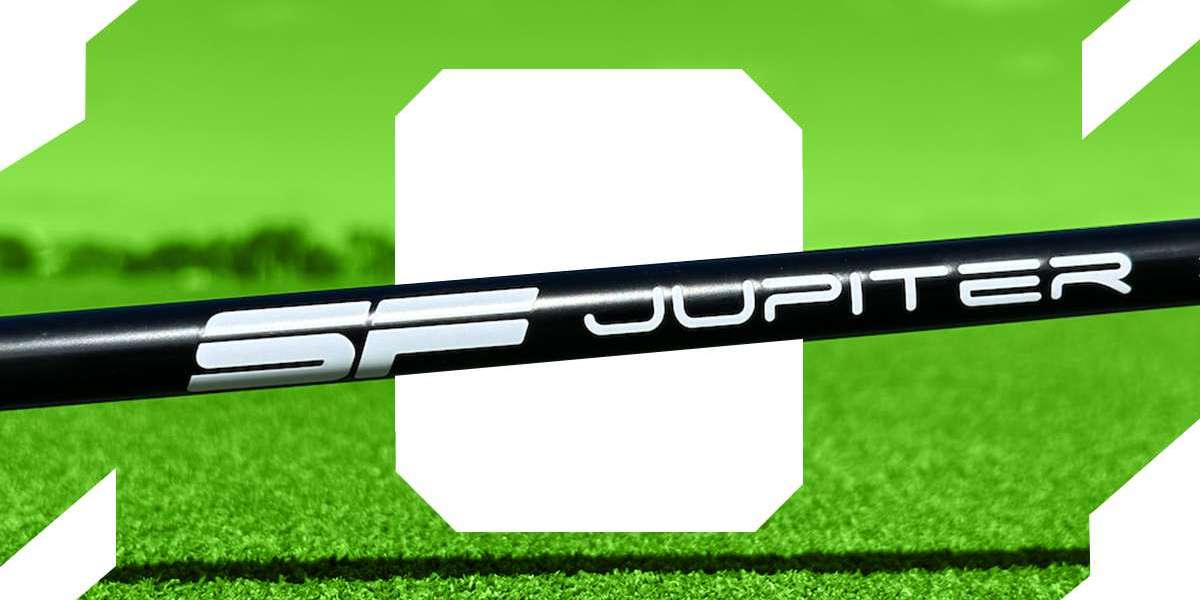

Choosing the right golf shaft can have a bigger impact on your game than many golfers realize. While clubheads often get most of the attention, the shaft plays a crucial role in determining swing speed, distance, accuracy, feel, and overall performance.
One of the most common questions golfers ask when upgrading their clubs is: Should I choose a graphite shaft or a steel shaft?
Both materials offer unique advantages, and the best choice depends on your swing characteristics, playing style, and performance goals. In this guide, we'll break down the key differences between graphite and steel shafts to help you make the right decision for your game.
? Explore custom golf shafts:
https://steadfastgolf.com/collections/custom-golf-shafts
Understanding Graphite and Steel Golf Shafts
Graphite Shafts
Graphite shafts are constructed from advanced carbon-fiber composites. They are significantly lighter than steel shafts and can be engineered with different flex profiles, torque ratings, and performance characteristics.
Because of their lightweight design, graphite shafts are commonly used in drivers, fairway woods, hybrids, and increasingly in irons for players seeking additional distance and comfort.
Steel Shafts
Steel shafts are typically made from stainless steel or specialized steel alloys. They are heavier, stronger, and provide a more stable feel throughout the swing.
Steel remains the preferred choice for many iron sets because of its consistency, control, and durability. Many accomplished golfers continue to rely on steel shafts for precise shot-making and predictable ball flight.
? Explore the Steadfast Shaft Collection
https://steadfastgolf.com/
Key Differences Between Graphite and Steel Shafts
1. Weight, Swing Speed, and Distance
Graphite Shafts
One of the biggest advantages of graphite is its lightweight construction. Most graphite shafts weigh between 50 and 90 grams, allowing golfers to swing faster with less effort.
The increase in clubhead speed often translates into greater distance, particularly for golfers with slower or moderate swing speeds. Seniors, beginners, and recreational players frequently benefit from the additional speed and effortless power that graphite shafts provide.
A graphite driver shaft can help generate higher launch conditions and maximize carry distance without requiring extra physical effort.
Steel Shafts
Steel shafts generally weigh between 90 and 130 grams. The added weight creates a more substantial feel during the swing and can improve rhythm and stability for stronger players.
Although steel may slightly reduce swing speed compared to graphite, many golfers appreciate the added control and consistency. Players who already generate sufficient speed often prefer steel because it offers dependable performance without sacrificing accuracy.
2. Feel, Comfort, and Vibration Reduction
Graphite Shafts
Graphite naturally absorbs vibration more effectively than steel. Even on off-center strikes, the shaft helps minimize harsh feedback, creating a smoother and more comfortable feel at impact.
This vibration-dampening effect is especially beneficial for golfers who experience discomfort in their wrists, elbows, or shoulders. It also makes long practice sessions more enjoyable by reducing stress on the body.
Steel Shafts
Steel shafts transmit more feedback through the hands and arms. Many skilled golfers appreciate this because it allows them to instantly recognize strike quality and make adjustments more effectively.
The crisp, responsive feel of steel provides valuable information about contact, making it a popular choice among players who prioritize shot feedback and swing consistency.
3. Control, Accuracy, and Consistency
Graphite Shafts
Because graphite shafts generally have higher torque and more flexibility, they may not offer the same level of stability as steel for golfers with aggressive swings.
While modern graphite technology has significantly improved accuracy and consistency, some players may still notice slightly more shaft movement during the swing. For this reason, graphite is often favored in drivers and fairway woods where distance is the primary objective.
Steel Shafts
Steel shafts are known for their exceptional consistency and stability. Their lower torque characteristics help reduce unwanted twisting during the swing, leading to tighter shot dispersion and more predictable ball flights.
This precision is one of the main reasons many low-handicap and professional golfers continue to choose steel shafts for their irons.
When control and accuracy are the highest priorities, steel remains difficult to beat.
4. Durability and Cost
Graphite Shafts
Today's graphite shafts are stronger than ever, but they still require a bit more care than steel. Over time, repeated impacts and heavy use can cause cosmetic wear or structural fatigue.
Graphite shafts also tend to be more expensive due to the advanced materials and manufacturing processes involved in their construction. However, many golfers find the performance benefits well worth the investment.
Steel Shafts
Steel shafts are extremely durable and can withstand years of regular play with minimal wear. They are resistant to dents, scratches, and general abuse, making them an excellent long-term investment.
Steel shafts are typically more affordable as well, making them a popular choice for golfers looking for reliable performance without a premium price tag.
Which Shaft Is Right for You?
Choose Graphite Shafts If:
You have a slower or moderate swing speed.
You want to maximize distance and clubhead speed.
You prefer a lighter club that is easier to swing.
You value comfort and reduced vibration.
You experience joint pain or discomfort during play.
You are primarily selecting a shaft for your driver, fairway woods, or hybrids.
Choose Steel Shafts If:
You have a faster swing speed.
Accuracy and shot control are your top priorities.
You prefer a heavier, more stable feel.
You enjoy receiving detailed feedback from your shots.
You want maximum durability and value.
You are choosing shafts for irons and wedges.
Why Many Golfers Use Both
The choice between graphite and steel doesn't always have to be one or the other.
Many golfers use graphite shafts in their driver, fairway woods, and hybrids to maximize speed and distance, while using steel shafts in their irons and wedges for greater control and precision.
This blended setup allows players to enjoy the advantages of both materials throughout the bag.
Finding the Right Shaft for Your Game
At Steadfast Golf, we believe every golfer deserves equipment that matches their unique swing and performance goals.
Whether you're searching for a lightweight graphite driver shaft to gain extra yards or a dependable steel shaft that delivers pinpoint accuracy, selecting the right shaft can dramatically improve your confidence and consistency on the course.
Understanding your swing speed, preferred feel, and performance priorities is the first step toward finding the perfect fit.
Final Thoughts
The graphite versus steel debate ultimately comes down to your individual needs as a golfer.
Graphite shafts offer lightweight performance, greater swing speed, increased distance, and enhanced comfort. Steel shafts provide superior stability, consistency, accuracy, and long-term durability.
Neither option is universally better; the best shaft is the one that complements your swing and helps you play your best golf.
Take the time to understand your game, choose a shaft that fits your goals, and enjoy the benefits of improved performance every time you step onto the course.
FAQs:
1. Are graphite shafts better than steel shafts for drivers?
Graphite shafts are generally preferred for drivers because they are lighter, helping golfers generate more clubhead speed and distance. Most modern drivers are equipped with graphite shafts for this reason.
2. Do steel shafts provide more accuracy than graphite shafts?
Yes, steel shafts typically offer greater stability and lower torque, which can result in tighter shot dispersion and improved accuracy, especially for golfers with faster swing speeds.
3. Who should use graphite golf shafts?
Graphite shafts are ideal for beginners, seniors, golfers with slower swing speeds, and players seeking more distance, comfort, and reduced vibration during play.
4. Why do many golfers use graphite shafts in woods and steel shafts in irons?
This combination provides the best of both worlds graphite shafts help maximize distance in drivers and fairway woods, while steel shafts offer greater control and consistency in irons and wedges.
5. How do I know whether a graphite or steel shaft is right for me?
The best choice depends on your swing speed, skill level, and performance goals. If you prioritize distance and comfort, graphite may be the better option. If you value accuracy, feedback, and control, steel shafts are often the preferred choice.
Explore More Blogs
https://connectme.live/blogs/59691/Best-Golf-Shaft-Torque-for-Slower-Swing-Speeds
https://u-ssr.com/read-blog/9241_best-golf-shaft-torque-for-slower-swing-speeds
https://telegra.ph/Best-Golf-Shaft-Torque-for-Slower-Swing-Speeds-06-03
https://uae.qaltik.com/other/best-golf-shaft-torque-for-slower-swing-speeds/