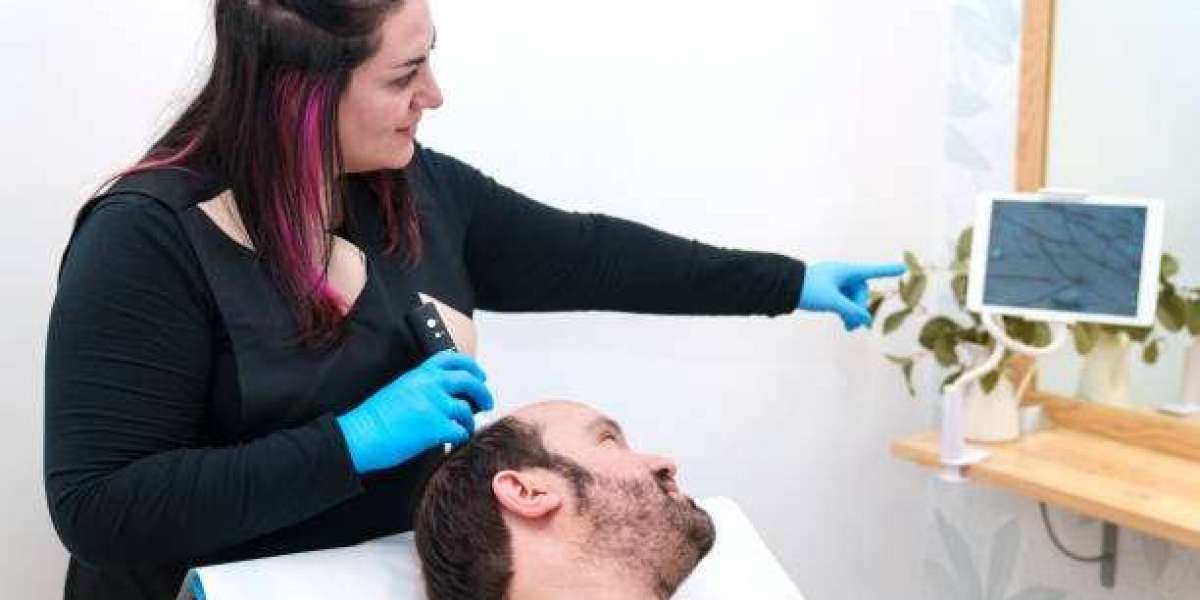

Healthy hair is often associated with confidence and personal appearance. When thinning or excessive shedding begins, many individuals search for solutions that provide noticeable improvement without relying only on temporary cosmetic products. Advances in medical and cosmetic technology have introduced several innovative techniques designed to improve scalp health and strengthen follicles naturally. As these methods continue to evolve, hair restoration has become a popular option for individuals seeking long-term improvement in hair density and scalp wellness.
Causes Behind Weak Hair and Scalp Problems
Hair thinning may occur because of several factors, including genetics, hormonal imbalance, stress, poor diet, and environmental exposure. Some individuals experience sudden shedding after illness or emotional stress, while others notice gradual thinning that becomes more visible over time.
Unhealthy scalp conditions can also affect hair growth. Reduced circulation, dryness, inflammation, and clogged follicles may weaken strands and slow natural growth cycles. Excessive use of harsh shampoos and styling products may further damage the scalp barrier.
Specialists often recommend early treatment because healthier follicles respond better during the initial stages of thinning. Proper diagnosis allows professionals to design treatment plans suited to each individual’s scalp condition and hair goals.
Modern Regenerative Treatments
Modern clinics now focus on treatments that encourage natural follicle stimulation instead of only hiding signs of hair loss. One increasingly preferred method is PRP therapy, which uses platelet-rich plasma prepared from the patient’s own blood.
The procedure generally starts with collecting a small blood sample. The sample is then processed to isolate concentrated platelets before targeted injections are administered into thinning areas of the scalp. The growth-supporting components within the plasma may help improve circulation and encourage healthier follicle activity.
Many specialists combine PRP therapy with complementary procedures such as microneedling or low-level laser treatment to improve effectiveness. Gradual sessions over several months are commonly recommended to support visible and natural-looking progress.
Healthy Lifestyle Habits for Better Hair
Daily habits can strongly influence scalp condition and hair quality. A balanced diet rich in proteins, vitamins, and minerals may help strengthen follicles and reduce breakage. Nutrients such as iron, zinc, and biotin are especially important for maintaining healthy strands.
Hydration also supports scalp health by improving circulation and maintaining moisture balance. Proper sleep allows the body to repair damaged tissues and support healthier growth cycles.
Stress management remains another important factor. Emotional stress can disrupt hormone levels and contribute to excessive shedding. Activities such as exercise, meditation, and relaxation techniques may help improve overall wellness and support stronger hair growth.
Advantages of Non-Invasive Treatments
Many individuals prefer procedures that involve minimal discomfort and shorter recovery periods. Non-surgical methods have become increasingly popular because they usually allow patients to continue daily routines shortly after appointments.
PRP therapy is widely chosen because it focuses on natural scalp stimulation rather than major surgical intervention. Since the treatment uses components derived from the patient’s own body, many individuals consider it a safer and more comfortable option.
The flexibility of modern procedures is another advantage. Treatments can be customized according to the severity of thinning, scalp sensitivity, and individual hair goals. This personalized approach often improves patient satisfaction and treatment outcomes.
Importance of Long-Term Care
Hair improvement requires patience and consistency. Follicles respond gradually to treatment, which means noticeable changes may take several months to appear. Some individuals experience reduced shedding first, followed by improvements in texture and density.
Clinics offering PRP therapy usually suggest maintenance sessions to preserve progress and support ongoing follicle stimulation. Following aftercare instructions carefully may also improve long-term results.
Protecting the scalp from excessive heat, harsh chemicals, and tight hairstyles can help maintain healthy follicles. Consistent scalp care remains essential even after visible improvements are achieved.
Choosing the Right Treatment Provider
Selecting a reliable clinic can significantly influence the overall experience and treatment quality. Experienced professionals usually provide detailed consultations, scalp evaluations, and realistic guidance regarding expected outcomes.
People considering hair restoration should research clinic qualifications, hygiene standards, and patient reviews before beginning treatment. Personalized attention and advanced technology often contribute to safer procedures and more natural-looking results.
Conclusion
Modern scalp treatments continue to provide effective solutions for individuals experiencing thinning hair and reduced density. Regenerative procedures, healthy habits, and professional care can work together to support stronger follicles and healthier growth patterns. Whether individuals choose nutritional improvements, laser methods, or PRP therapy, long-term consistency remains important for achieving lasting results. With proper support and realistic expectations, hair restoration can help improve both appearance and confidence over time.