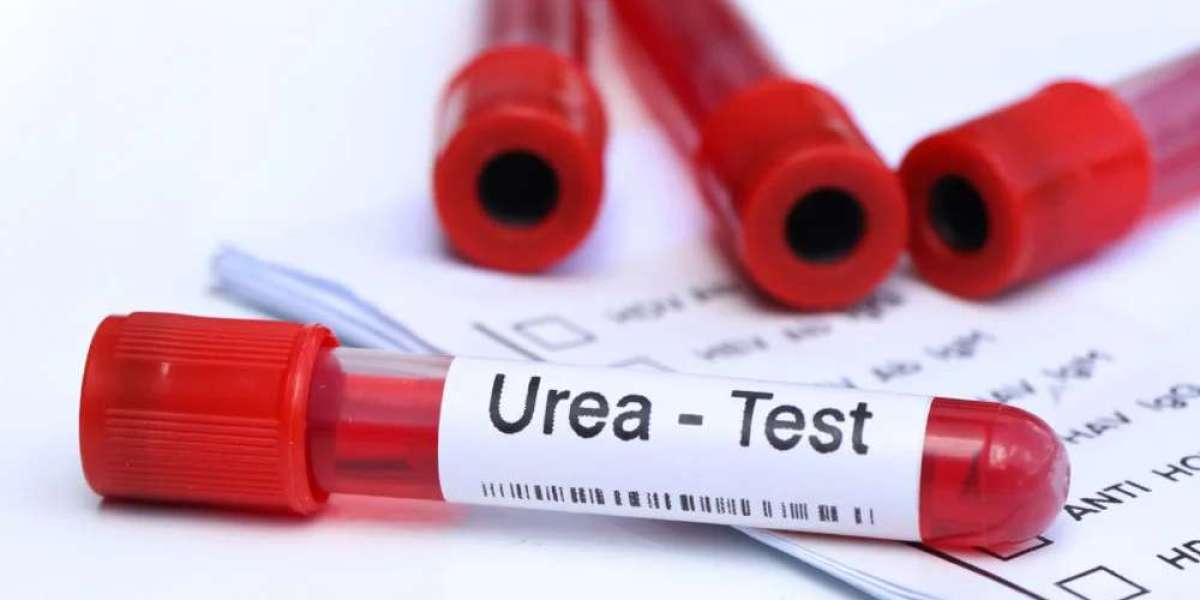

If your healthcare professional has ordered a Blood Urea Nitrogen test, you may wonder what actually happens when you arrive at the laboratory. Will you need to fast? Is the blood draw painful? How much blood is collected? And what happens to the sample after it leaves your arm?
The BUN test, often simply called a Blood Urea Nitrogen (BUN) Test in Dubai, is a common laboratory test used to measure the amount of nitrogen in the blood that comes from urea. Because urea is produced during protein metabolism and normally removed by the kidneys, the test can provide useful information about kidney function, hydration, and other aspects of health.
The blood collection itself is usually quick and straightforward. Understanding each stage can make the experience less stressful and help you know what to expect.
Before You Arrive: Confirm Your Testing Instructions
The first step actually happens before the blood draw.
Whether you need to prepare in a particular way depends on why your BUN test was ordered and whether it is being performed alongside other laboratory tests.
A standalone BUN test may not always require fasting. However, BUN is often included with tests such as serum creatinine, electrolytes, glucose, or other measurements. Some of those tests may have specific preparation requirements.
Follow the instructions given by your healthcare professional or laboratory. If you are uncertain about fasting, medications, food, or fluids, ask the laboratory before your appointment.
You generally should not change your diet, fluid intake, or medications simply to produce a particular BUN result.
Registration and Test Verification:
When you arrive, the laboratory staff will usually confirm your identity and the tests that have been ordered.
You may be asked to provide information such as your name, date of birth, or laboratory order. This verification helps ensure that your blood sample is correctly associated with your medical record.
The technician may also confirm whether you followed any required preparation instructions.
If you recently experienced dehydration, fever, vomiting, diarrhea, infection, or another significant illness, mention it. Such factors can influence blood urea nitrogen levels and may help your healthcare professional interpret the final result.
Getting Ready for the Blood Draw:
A trained healthcare professional or phlebotomist will typically ask you to sit comfortably.
For many routine blood tests, a vein in the arm is selected, often near the inside of the elbow. The technician examines the area and chooses a suitable vein.
If you feel nervous around needles, let the technician know. They can often help you get into a comfortable position and may suggest looking away during the procedure.
Keeping your arm relaxed can make the blood collection easier.
Cleaning the Skin:
Once a suitable vein has been identified, the skin is cleaned with an antiseptic.
This helps reduce the risk of introducing bacteria into the area where the needle enters the skin.
The technician may then place a band or tourniquet around the upper part of your arm. This temporarily helps make the vein easier to see and access.
You may feel slight pressure from the tourniquet, but it should not normally be painful.
The Needle Is Inserted:
The technician inserts a sterile needle into the selected vein.
You may feel a brief pinch or stinging sensation as the needle passes through the skin. For most people, this sensation lasts only a few seconds.
Once the needle is positioned correctly, blood flows into a collection tube.
The amount collected is generally small and depends on how many tests have been ordered. If BUN is being measured as part of a larger blood panel, more than one tube may be required.
The Blood Sample Is Collected:
During the collection, try to keep your arm still and relaxed.
The technician may fill one or more tubes depending on the laboratory tests requested. Each tube is handled according to the requirements of the specific analysis.
The entire collection process commonly takes only a few minutes.
If you begin feeling lightheaded, nauseated, sweaty, or faint, tell the technician immediately. These reactions can occur during blood collection and can usually be managed safely by having you remain seated or lie down.
The Needle Is Removed:
Once enough blood has been collected, the technician removes the needle.
A small piece of gauze or cotton is placed over the puncture site, and you may be asked to apply pressure for a short time.
A small adhesive bandage may then be placed over the area.
It is normal to have mild tenderness at the site afterward. A small bruise can also occasionally develop.
If you take blood-thinning medication or have a condition that affects blood clotting, you may need to apply pressure for longer. Follow the instructions given by the healthcare professional.
How Does the Laboratory Measure BUN?
After the blood sample has been collected, it is labeled and sent for laboratory analysis.
The laboratory measures the amount of nitrogen associated with urea in the blood. The result is reported as blood urea nitrogen, usually using the laboratory's specified units and reference range.
The laboratory's reference range is important because ranges can vary between testing facilities and analytical methods.
A result outside the printed range does not automatically indicate disease. It needs to be interpreted in relation to the person's health and other test results.
What Happens to the Result?
Once testing is complete, the BUN value is included in your laboratory report.
Depending on why the test was ordered, the report may also contain results for:
Serum creatinine
Estimated glomerular filtration rate
Electrolytes
Glucose
Other metabolic markers
Urine testing, if performed separately
These results can help provide a more complete picture of kidney and metabolic health.
Why Is BUN Tested Alongside Creatinine?
BUN and creatinine are often ordered together because both are waste products normally removed from the bloodstream by the kidneys.
However, they are influenced by different biological processes.
BUN reflects the nitrogen component of urea, which is produced mainly when protein is metabolized. Hydration, protein intake, liver function, gastrointestinal bleeding, and other factors can affect BUN.
Creatinine is produced largely through normal muscle metabolism and is commonly used to assess kidney filtration, particularly when calculating eGFR.
Comparing BUN and creatinine can therefore provide more context than looking at either value alone.
What Does an Abnormal BUN Result Mean?
An abnormal BUN result can have many possible explanations.
A High BUN Result
BUN may increase because of:
Dehydration
Reduced kidney filtration
Acute kidney injury
Chronic kidney disease
Increased protein intake
Increased protein breakdown
Gastrointestinal bleeding
Reduced blood flow to the kidneys
Certain medications or medical conditions
A high BUN does not automatically mean that the kidneys are failing.
A Low BUN Result
Lower-than-expected BUN levels may occur with:
Low protein intake
Overhydration
Pregnancy
Significant liver dysfunction
Certain nutritional or metabolic conditions
Again, the result needs to be interpreted alongside other findings.
What Tests Help Explain a BUN Result?
A BUN test provides only one piece of information.
Healthcare professionals may also consider serum creatinine, eGFR, urine albumin, urine albumin-to-creatinine ratio, urinalysis, blood pressure, medical history, symptoms, and previous laboratory results.
For example, a high BUN with a stable creatinine may have a different explanation from a pattern in which both BUN and creatinine rise and eGFR falls.
The BUN-to-creatinine ratio can sometimes provide an additional clue, but it should not be used as a standalone diagnosis.
What Can You Do After the Blood Test?
Most people can return to normal activities immediately after a routine BUN blood draw.
Keep the bandage on for the period recommended by the laboratory. If the puncture site continues bleeding, apply gentle pressure.
Some people develop a small bruise or mild soreness. These effects usually resolve without treatment.
If you feel faint after the blood draw, remain seated or lying down until you feel steady.
If your healthcare professional gave you special instructions because of other testing or a medical condition, follow those instructions instead.
When Will You Receive Your BUN Results?
The time required to receive results varies by laboratory and by whether additional testing is being performed.
Your healthcare provider may review the BUN result together with creatinine, eGFR, urine findings, symptoms, and your medical history.
Do not try to interpret the BUN value solely by searching for whether it is “high” or “low.” The laboratory reference range and the surrounding clinical information matter.
Common Questions About the BUN Blood Test:
Is the BUN test painful?
Most people experience only a brief pinch or stinging sensation when the needle enters the vein. The blood collection itself is usually quick.
How much blood is taken for a BUN test?
Only a small amount is required. The exact amount depends on whether BUN is being tested alone or as part of a larger group of blood tests.
Can I eat before a BUN test?
A standalone BUN test may not require fasting, but other tests ordered at the same time might. Always follow the instructions from your healthcare professional or laboratory.
Can I drink water before the test?
Normal hydration is generally appropriate unless you have received different instructions. Do not intentionally drink excessive amounts of water to influence your result.
Can BUN diagnose kidney disease?
No. BUN is an important laboratory marker, but it cannot diagnose kidney disease by itself. Creatinine, eGFR, urine tests, symptoms, medical history, and other findings are also important.
What if I feel dizzy during the blood draw?
Tell the technician immediately. Feeling faint can happen during blood collection, and the staff can help you lie down or remain safely positioned until the symptoms pass.
Final Takeaway:
A Blood Urea Nitrogen Lab tests is a simple blood test that usually takes only a few minutes to collect. The process involves verifying your test order, preparing the blood collection site, drawing a small blood sample, labeling the specimen, and sending it to the laboratory for analysis.
The actual blood draw is only one part of the testing process. The most important step comes afterward: understanding what the result means in context.
BUN can be affected by kidney filtration, hydration, protein intake, liver function, illness, gastrointestinal bleeding, medications, and other factors. For that reason, a single BUN number should not be used to diagnose kidney disease.
When interpreted alongside serum creatinine, eGFR, urine albumin, urinalysis, previous results, symptoms, and medical history, the BUN test can provide useful information about kidney and overall metabolic health.