
Two cannabis products can show the same number on the label and still be very different. A drink marked 10 mg THC and a gummy marked 10 mg THC contain the same stated amount of the intoxicating cannabinoid, but that number does not tell the whole story. The ingredients, formulation, portion size and individual response can all affect what happens after consumption.
That is why the THC drinks vs gummies question is more interesting than a simple debate about which one is stronger. Both belong to the broader edible category, yet they are made, packaged and portioned differently. Some beverages are formulated to disperse cannabinoids in water, while many gummies use cannabis extract in a chewy, solid food. These details matter when comparing products.
THC Drinks vs Gummies: The Quick Comparison
What to compare | THC drinks | THC gummies |
Format | Liquid beverage | Chewable edible |
How THC is incorporated | Often a water-compatible emulsion | Usually an extract blended into the gummy |
Onset | Some formulations may act sooner, but timing varies | Often delayed; timing varies |
Serving information | Check milligrams per measured serving and per bottle | Check milligrams per piece and per package |
Practical label details | Bottle volume, servings, ingredients, THC/CBD | Piece count, ingredients, THC/CBD, allergens |
What the label cannot promise | An exact onset, intensity or duration | An exact onset, intensity or duration |
Short answer: Neither format is automatically stronger or better. A matched THC amount is only one part of the comparison. Formulation and individual factors can change the experience, and the same person may respond differently on separate occasions.
Why Might a THC Drink Feel Different From a Gummy?
THC does not dissolve readily in water. To make a consistent cannabis beverage, manufacturers often use emulsification technology to disperse cannabis oil into very small droplets throughout the liquid. You may see descriptions such as "nanoemulsified" or "fast-acting" on some beverage labels.
These terms describe a formulation approach, not a universal guarantee. Research into cannabinoid delivery systems suggests that formulations can influence how quickly THC becomes available in the body. But evidence differs by formulation, and there is no single onset time that applies to every THC drink.
A traditional gummy is different. The cannabis extract is incorporated into a solid edible, which must be digested. Food in the stomach, the specific ingredients, metabolism and previous cannabis exposure can all influence how the effects develop. Drinks are swallowed too, so it would be misleading to claim that all beverages skip digestion or work instantly.
Does "fast-acting" mean stronger?
No. Faster onset and greater intensity are different things. A product may begin producing noticeable effects sooner without containing more THC, and an earlier onset does not establish that it will feel stronger overall. Dose, formulation and personal sensitivity still matter.
Same THC Amount, Different Package: Read the Serving Label
One of the most common mistakes with edibles is confusing the amount in a single serving with the amount in the entire package. It is especially easy to do with a beverage, because a bottle can look like one ordinary drink even when it contains multiple cannabis servings.
Consider three actual product formats listed by High Society:
- A bottled beverage: The listing for Uncle Arnie's THC drink identifies an 8 oz bottle containing 100 mg THC in total. That number describes the bottle, not a recommended amount to consume at once. Check the physical package for its serving instructions and measurement guidance.
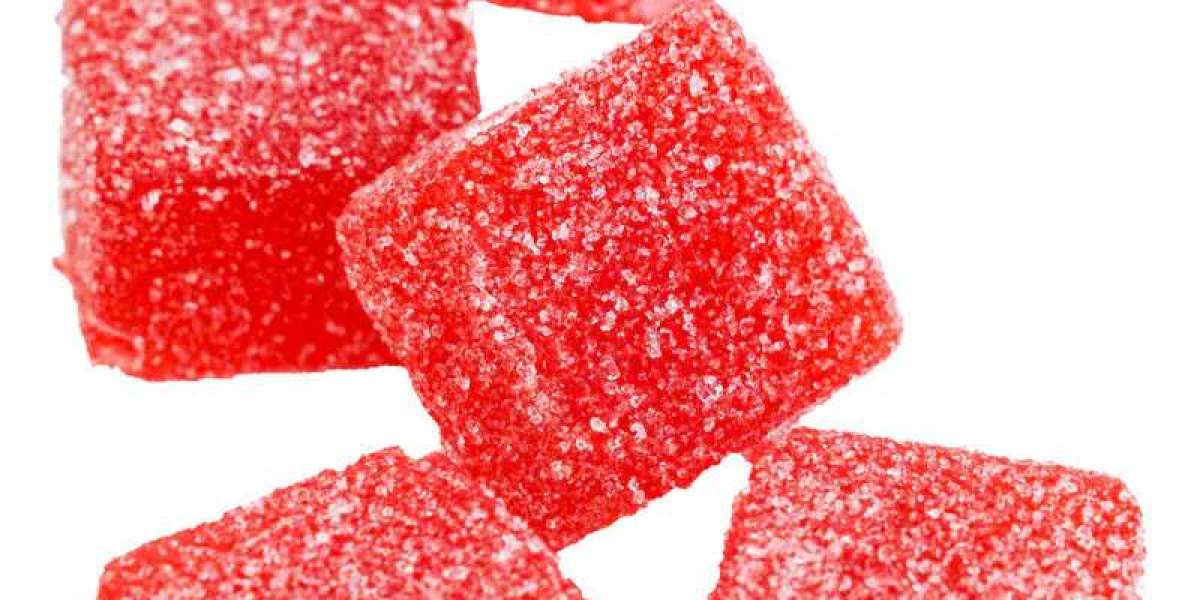
- A 10 mg gummy: The listing for Wyld gummies describes 10 mg THC in each piece and 100 mg in the package.
- A 5 mg gummy: The listing for Camino gummies describes 20 pieces with 5 mg THC per piece, also totaling 100 mg in the tin.
All three examples have a stated package total of 100 mg THC, yet they are not interchangeable servings. One is a liquid that needs measured portions, one uses 10 mg pieces, and the other uses 5 mg pieces. The difference illustrates why package-total numbers should never be compared without also checking the serving information.
For licensed adult-use edibles in California, the general limit is 10 mg THC per serving and 100 mg THC per package. Exact portions and product labeling still need to be checked on the package in hand, especially when dealing with a multi-serving drink.
How Long Do THC Drinks and Gummies Take to Work?
There is no stopwatch that works for everyone. Traditional swallowed edibles can take a substantial amount of time to produce noticeable effects, and the full response may develop later than the first sensation. Some specially formulated drinks are intended to produce a quicker onset, but the timing shown in advertising should not be treated as a promise.
In practice, timing is affected by the actual formulation, whether someone has eaten, individual metabolism, medications and sensitivity. Two products with the same labeled THC quantity can therefore have different onset patterns.
The delayed nature of edibles also creates a safety concern: taking more because the first portion has not yet produced noticeable effects. An early lack of sensation does not mean the product has finished taking effect. It is important to follow package guidance and allow adequate time rather than repeatedly adding portions.
Is a 10 mg THC Drink Equal to a 10 mg THC Gummy?
In terms of labeled THC quantity, yes: both state 10 mg THC. In terms of a predictable experience, no. The body does not respond to a nutrition-style number in isolation. Formulation, other cannabinoids, digestion, individual tolerance and context are relevant too.
Neither the liquid format nor the gummy format guarantees a particular outcome. Likewise, a bottle or package that contains 100 mg total THC is not automatically intended to be consumed as one portion.
What About Ingredients, Sugar and Cannabinoid Ratios?
THC isn't the only detail worth checking. Drinks may contain fruit flavorings, sweeteners, acids, emulsifiers or other stabilizers. Gummies may contain sugar, pectin or gelatin, fruit ingredients and added flavoring. People with allergies or dietary restrictions should read the exact ingredient panel rather than relying on a product's overall category.
Some edible products also include CBD or CBN alongside THC. A product labeled with a cannabinoid ratio needs to be read carefully: a ratio identifies the relative amounts listed, not a guaranteed sleep, relaxation or wellness outcome. The amount of each cannabinoid per serving matters more than the marketing phrase on the front.
For shoppers comparing THC gummies with beverages, a useful habit is to check the same four things in every product: THC per serving, servings per package, other cannabinoids and ingredient details.
Which Format Makes More Sense for Different Preferences?
Rather than treating the question as a contest, think about how the product is packaged and what information the label makes easy to understand.
When comparing a beverage
Look closely at the bottle's total THC content and how a serving is measured. A beverage can contain several portions, and casually sipping from a bottle makes it harder to track an amount unless the serving guidance is followed. The word "drink" does not imply that the entire container equals one serving.
When comparing a gummy
Look at the amount per piece, total number of pieces and whether the product contains other cannabinoids. Individual pieces can make the stated portions easier to count, but they can also resemble ordinary candy. Secure storage is essential.
When comparing brands
Start with the information that can actually be verified: portion size, ingredient list, cannabinoid content and packaging. Brand reputation or a product's popularity cannot replace those details, and no label can guarantee how a specific person will feel.
What to Check Before Comparing Edible Products Online
Product pages are useful for identifying formats, but they should not be the only source of information. A page can show a flavor or standard product description while a selected variant has different ingredients or cannabinoid amounts. Availability can change as well.
- Check that you are looking at the exact flavor, format and variant.
- Distinguish THC per serving from THC per package.
- Read the ingredient and allergen information on the product label.
- Verify age requirements and any applicable delivery restrictions.
- Do not assume that a "fast-acting" claim means an exact onset time.
- Keep cannabis products in their labeled, child-resistant packaging and away from children and pets.
For adults looking at local menus, a cannabis delivery website may help identify available product formats and their descriptions. Still, the physical package should guide any interpretation of serving information, not a general article or a promotional claim.
Frequently Asked Questions
Are THC drinks always faster than gummies?
No. Certain beverage formulations may produce an earlier onset, but the difference depends on the product and the individual. A drink should not be assumed to act immediately.
Does 100 mg on a THC drink mean 100 mg per serving?
Not necessarily. The number may refer to the entire bottle. Always check the stated amount per serving and the number of servings in the container. Do not treat a multi-serving bottle as one portion.
Are Camino gummies and Wyld gummies the same strength?
Not across every product. The specific High Society listings discussed here show 5 mg THC per Camino gummy and 10 mg THC per Wyld gummy, even though each package totals 100 mg. Other product variants may differ, so read the exact label.
Can two edibles with the same THC amount feel different?
Yes. The formulation, other cannabinoids, food intake and personal response can affect onset and perceived intensity. The same labeled THC quantity does not promise an identical experience.
Is a THC drink safer than a gummy?
Neither format is automatically safer. Both can cause impairment and unwanted effects. Misreading servings, consuming more before effects have developed, or leaving products accessible to children creates risks with either format.
Can you drive after consuming a THC beverage or gummy?
No one should drive while impaired by cannabis, regardless of whether it came from a drink or a gummy. Effects can last for hours, and feeling less affected is not a reliable test of driving fitness.
The Bottom Line
The difference between THC drinks and gummies isn't just liquid versus candy. It's how the product is formulated, how its servings are divided, what other ingredients it contains and how the body responds. A 10 mg label tells you the stated THC quantity, but it doesn't tell you exactly when effects will start or what they will feel like.
When comparing products, start with the serving information and ingredient panel. Treat claims about speed or strength with care, and remember that a package total is not the same thing as a single serving. Those habits make this comparison far more useful than trying to decide which format is universally better.