
Water leakage from a roof or terrace rarely remains a small maintenance issue. Rainwater can enter through cracks, damaged joints, failed coatings, open service penetrations, or areas where drainage is inadequate. Over time, repeated moisture exposure may affect concrete surfaces, internal finishes, equipment spaces, and occupied areas below. Choosing the right roof waterproofing services therefore starts with understanding the actual leakage path rather than simply covering visible damp patches.
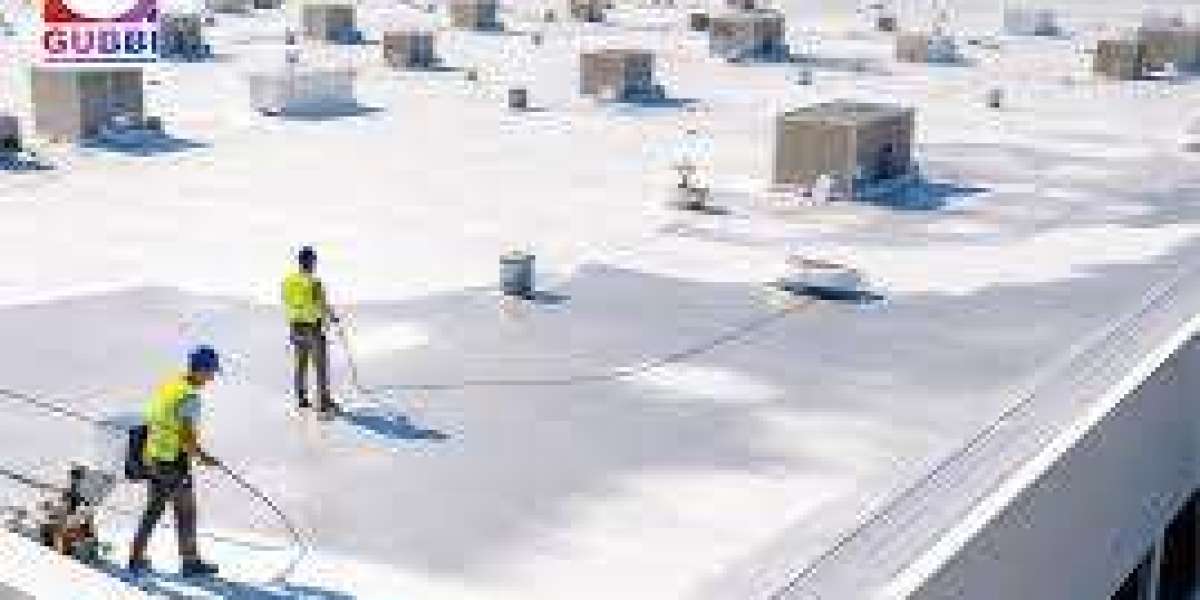
For commercial and industrial buildings, terrace waterproofing requires more attention because large roof areas often contain pipes, equipment bases, drains, parapets, cable supports, access routes, and service installations. Each junction can become a potential entry point for water if it is poorly detailed or deteriorated. A suitable waterproofing strategy should consider the existing RCC surface, movement, drainage, exposure, previous treatments, and operational requirements before work begins.
Why Terrace Leakage Should Not Be Ignored
Many property owners first look for terrace waterproofing services after noticing water stains on a ceiling or dampness near the upper floor. However, the visible mark may not be directly below the actual point of water entry. Water can travel through cracks, construction joints, porous concrete, screeds, and interfaces before appearing indoors. This is why inspection should come before selecting materials or deciding whether a local patch repair is enough.
Common signs that indicate a roof needs waterproofing include recurring damp patches, peeling paint, musty areas, visible terrace cracks, water accumulation after rainfall, deteriorated coatings, and leakage around drainage points. In industrial buildings, additional warning signs can include moisture near service equipment, corrosion around exposed components, or repeated repairs in the same location. Addressing these symptoms early can help prevent a minor waterproofing problem from becoming a larger repair requirement.
Poor Drainage and Water Ponding
One important reason for terrace leakage is poor water drainage. A flat roof still needs an effective slope so rainwater can move toward designated outlets instead of remaining on the surface. Blocked drains, damaged outlets, uneven screeds, and local depressions can create water-ponding areas. Before waterproofing begins, contractors should examine how water moves across the terrace and whether drainage arrangements are contributing to repeated leakage or premature deterioration of the existing waterproofing system.
The Role of Crack Treatment
Cracks are another frequent pathway for moisture entry. Not every crack has the same cause, width, depth, or movement, so treating every crack with the same material can produce disappointing results. Surface cracks may need filling or sealing, while wider or active cracks may require a different approach. The important step is to understand the crack condition first, then integrate the repair with the waterproofing system selected for the terrace.
Junctions deserve special attention during roof waterproofing work. Areas where the terrace meets a parapet wall, drain outlet, pipe, equipment pedestal, staircase headroom, or vertical surface can be more vulnerable than the open terrace field. Waterproofing should continue through critical transitions with appropriate detailing instead of stopping at convenient surface boundaries. Careful treatment helps create continuity and reduces the chance of water finding an unprotected route into the building.
Importance of Proper Surface Preparation
Surface preparation is one of the most important stages of any waterproofing project. Dust, loose concrete, laitance, oil, old weak coatings, algae, and other contaminants can interfere with bonding and system performance. Depending on the condition, the terrace may require cleaning, mechanical preparation, removal of failed layers, crack treatment, surface repairs, and correction of uneven areas. Waterproofing materials can perform only as well as the surface and detailing beneath them.
Choosing the Right Waterproofing System
Selecting a waterproofing method should depend on the building and terrace rather than on a single product being promoted as suitable for every situation. Liquid-applied systems, polyurethane coatings, cementitious treatments, sheet membranes, bituminous systems, and other approaches each have different requirements and limitations. The right choice depends on factors such as substrate condition, expected movement, exposure, drainage, existing layers, traffic, service activity, and the finish planned above the waterproofing layer.
Liquid-Applied Waterproofing
Liquid-applied waterproofing can be useful where a continuous protective layer is required across complex terrace geometry. Because the material is applied in liquid form, detailing around corners, penetrations, outlets, and irregular areas can be incorporated. However, correct thickness, coverage, curing, substrate preparation, and reinforcement at vulnerable locations remain important. A liquid membrane should therefore be treated as a complete system rather than simply a coating applied over an existing surface.
Polyurethane Waterproofing
Polyurethane waterproofing is another option used for selected roof and terrace applications where flexibility and crack-bridging performance are important. Its suitability depends on the substrate, moisture condition, exposure, movement, and specified system requirements. Application should follow the selected system's preparation, primer, coating, reinforcement, and curing requirements. For commercial and industrial structures, the design should also consider maintenance access and future work around equipment, pipes, and service installations.
Membrane Waterproofing
Membrane waterproofing can provide a defined barrier against water penetration when the substrate and project conditions are suitable. Sheet membranes and other membrane systems require attention to laps, joints, edges, terminations, penetrations, and drainage details. A technically suitable membrane can still fail if installation is careless or the supporting surface is unsuitable. Therefore, choosing terrace waterproofing contractors with appropriate site experience is as important as choosing the waterproofing material.
Waterproofing Beneath Terrace Tiles
Terrace waterproofing beneath tiles requires a different approach from waterproofing an exposed roof surface. Tiles and grout should not be treated as the only defence against water entering the structure. The waterproofing layer, drainage arrangement, joints, tile interfaces, and service penetrations need consideration. If an existing tiled terrace is leaking, removing everything immediately may not be necessary; the repair scope should depend on the source and extent found during inspection.
Waterproofing for Industrial and Commercial Roofs
Industrial roof waterproofing also needs to account for operational conditions. A factory or commercial facility may have HVAC units, tanks, pipelines, ducts, electrical installations, maintenance routes, and equipment supports on the roof. Waterproofing work must be planned around these constraints without compromising critical details. The objective is not merely to make the roof surface water resistant, but to protect the roof assembly while maintaining access for inspection and future maintenance.
Handling Emergency Roof Leakage
Emergency roof leakage often creates pressure to complete repairs quickly. Speed can be useful when water is entering an occupied or operational area, but rushing the waterproofing process without identifying the cause may lead to repeated leakage. Temporary measures can control immediate exposure, while a permanent solution should address cracks, joints, drainage, surface defects, and failed waterproofing layers. The best approach balances urgent protection with proper diagnosis and planned repair.
Understanding Terrace Waterproofing Cost
The cost of terrace waterproofing varies because every terrace has a different condition and scope. Area size is only one factor. Existing coating removal, crack repairs, surface preparation, drainage correction, access limitations, detailing around penetrations, chosen waterproofing system, protective layers, and testing requirements can affect the project. Comparing contractors only on a per-square-foot rate may hide differences in scope, materials, workmanship, and maintenance needs over time.
How to Select Terrace Waterproofing Contractors
When evaluating terrace waterproofing contractors, ask how they identify the leakage source, what surface preparation is included, how cracks and joints will be treated, how drains and penetrations will be detailed, and what testing is planned. A clear method statement and defined scope make proposals easier to compare. It also helps prevent a low initial quote from increasing later because essential preparation or repair work was excluded from the original scope of work.
Testing After Waterproofing
A proper waterproofing project should include testing and inspection after application. Depending on the system and project requirements, controlled water testing or other checks may be used to identify leakage before the area returns to service. Drain outlets, junctions, terminations, and repaired locations deserve particular inspection. Testing cannot compensate for poor workmanship, but it can provide an opportunity to identify defects before they cause repeated dampness or water damage indoors.
Maintenance After Roof Waterproofing
Maintenance is important after roof waterproofing services are completed. Drains should remain clear, accidental damage should be repaired promptly, and new penetrations should not be created without suitable waterproofing details. Equipment installation, drilling, support fixing, or civil modifications can damage an otherwise sound waterproofing layer. Periodic inspection after heavy rainfall and before the monsoon season can help identify early signs of deterioration, allowing corrective action before leakage becomes widespread.
When Waterproofing Needs Concrete Repair
For older commercial and industrial terraces, waterproofing may need to be combined with concrete repair rather than treated as an isolated coating project. If the slab has deteriorated concrete, exposed reinforcement, honeycombing, significant cracking, or other defects, those conditions should be assessed before waterproofing is installed. This integrated approach helps distinguish cosmetic surface treatment from protection of the underlying structure and supports more practical long-term maintenance planning.
A Complete Approach to Terrace Protection
A useful way to think about Terrace Moisture Shielding is as a complete protection strategy rather than a single chemical or membrane. The goal is to control water entry by combining sound substrate preparation, crack and joint treatment, drainage management, correct detailing, suitable waterproofing materials, and proper application. This approach is valuable for large roofs where a small overlooked detail can allow moisture to bypass an otherwise well-applied waterproofing layer.
Choosing the Right Waterproofing Partner
For organizations planning roof or terrace rehabilitation, the contractor's technical approach should be reviewed alongside project experience and proposed methodology. Gubbi Civil Engineers Limited can be considered for commercial and industrial waterproofing requirements where the scope involves roof leakage, terrace protection, concrete-related defects, drainage concerns, or existing waterproofing failure. A site assessment and project-specific recommendation can help determine whether localized repair, complete waterproofing, or a combined repair strategy is appropriate.
Choosing roof waterproofing services should ultimately be based on the building condition, source of water ingress, required performance, and quality of execution rather than product names alone. A properly planned terrace waterproofing project can reduce recurring leakage, protect exposed concrete, and support better building maintenance. For commercial and industrial properties, professional assessment before application is the practical starting point for selecting a waterproofing solution that fits the structure.