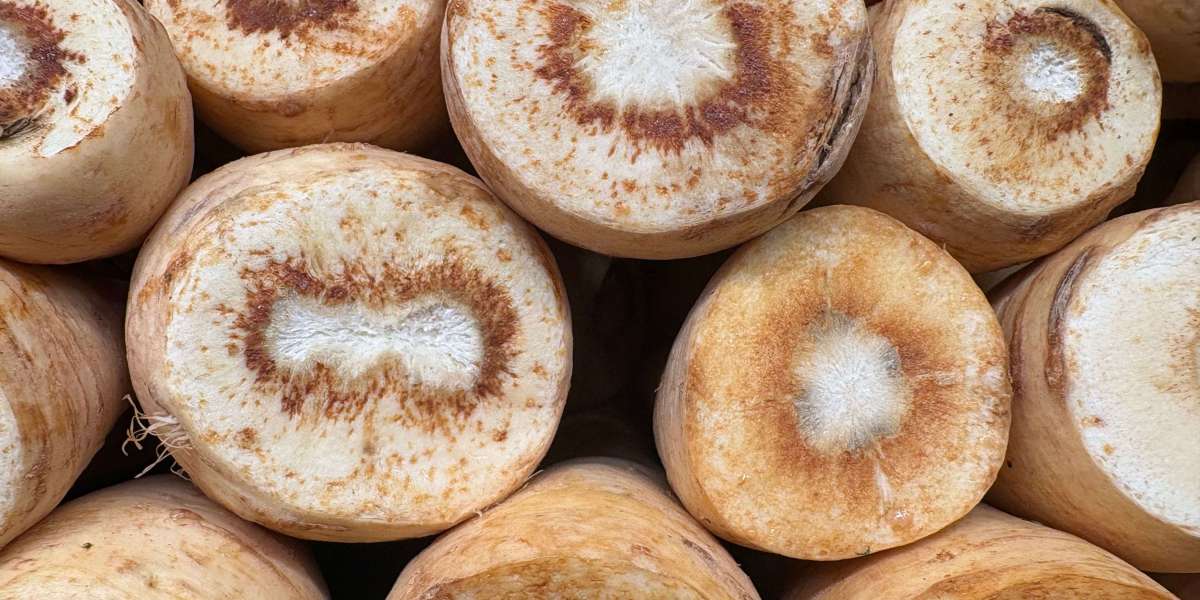

The inulin market is becoming increasingly relevant as functional foods gain attention among consumers and food manufacturers. Modern food preferences are influenced by convenience, nutritional awareness, and interest in ingredients that offer additional functionality. This environment is encouraging manufacturers to develop products that go beyond traditional food formulations. Inulin is an important ingredient in this discussion because it offers dietary fiber and can be incorporated into a variety of food products.
The growing focus on gut microbiome nutrition has also contributed to consumer interest in dietary fiber and prebiotic ingredients. People are increasingly exploring how different food components fit into balanced eating habits. This awareness is encouraging manufacturers to introduce functional ingredients into everyday products while maintaining their familiar taste, texture, and convenience.
Functional Foods and Changing Dietary Habits
Functional foods have become an important area of innovation within the food industry. Consumers are showing interest in products that provide nutritional characteristics beyond basic nourishment.
This trend is encouraging companies to explore ingredients that can improve the formulation of conventional foods. Dietary fibers are an important part of this development because they can be incorporated into different product categories.
Inulin offers flexibility for manufacturers seeking to develop fiber-enriched products. It can be considered for different applications depending on the specific formulation and processing requirements.
The increasing availability of functional food options is also encouraging manufacturers to experiment with new ingredient combinations.
Applications in Nutritional Beverages
Beverages provide an interesting opportunity for inulin-based product development. Consumers are increasingly exploring convenient drinks that fit into their everyday routines.
Manufacturers can investigate the use of inulin in selected nutritional beverages and functional drink formulations. Its suitability depends on factors such as solubility, stability, taste, and the characteristics of the final product.
Product developers must ensure that the addition of inulin does not negatively affect the overall drinking experience. Maintaining a pleasant texture and consistent quality remains important for consumer acceptance.
The Role of Inulin in Dairy Products
Dairy products offer several opportunities for ingredient innovation. Yogurt, dairy desserts, and other formulations can incorporate ingredients that support product texture and nutritional positioning.
Inulin can be used in selected dairy applications where its functional characteristics are suitable. It may contribute to texture development and support the creation of products with additional dietary fiber.
Manufacturers must evaluate ingredient compatibility and processing conditions to achieve the desired results. The overall formulation should maintain the expected flavor, appearance, and consistency.
Innovation in Bakery and Snack Products
Bakery products and snacks are important categories for exploring new nutritional formulations. Consumers often prefer convenient foods that are easy to include in everyday eating habits.
Inulin can be considered in the development of fiber-enriched bakery products, snack bars, biscuits, and other packaged foods.
Its use can help manufacturers explore alternative formulations and respond to consumer interest in additional dietary fiber. However, the ingredient must be carefully evaluated to maintain the expected product texture and taste.
Importance of Ingredient Quality
Ingredient quality is essential for manufacturers working with inulin. Consistency in ingredient characteristics can influence production efficiency and finished product performance.
Suppliers need to focus on appropriate sourcing, processing, storage, and quality management practices. Food manufacturers must also evaluate ingredients according to their specific production requirements.
Strong quality management can help businesses maintain product consistency and build confidence among their customers.
Consumer Education and Market Development
Consumer education can play an important role in the continued development of the inulin market. Although interest in dietary fiber is increasing, consumers may still need clear information about different ingredients and their applications.
Manufacturers can improve communication through transparent packaging information and accurate product descriptions. Providing understandable ingredient information can help consumers make informed purchasing decisions.
Brands should focus on realistic product positioning and avoid presenting individual ingredients as substitutes for balanced dietary habits.
Future Opportunities for the Inulin Industry
The future of the inulin market is closely connected to functional food innovation and changing consumer expectations. As manufacturers continue exploring fiber-enriched formulations, inulin may find applications across additional food and beverage categories.
Businesses can explore opportunities through research, product development, and collaboration with ingredient suppliers. Continued attention to formulation quality and consumer acceptance will remain important.
Overall, the growing importance of functional foods creates an interesting environment for inulin. Its versatility and dietary fiber characteristics position it as a useful ingredient for manufacturers developing products for evolving food preferences.
FAQs
Q1. How is inulin used in functional foods?
Inulin can be incorporated into selected beverages, dairy products, bakery items, snacks, and nutritional formulations to provide dietary fiber and functional properties.
Q2. What makes inulin suitable for food product development?
Its plant-derived origin, dietary fiber characteristics, and versatility make it an ingredient of interest for different food manufacturing applications.